Dear circle,
I am just returning from my travels — Spain and Latvia — and there are a few things I've been sitting with that I want to share here.
Last month I was in Spain visiting a family member, and it seems important to name a piece of history first: Spain lived under the Franco dictatorship for 36 years, from 1939 until his death in November 1975. That regime imposed a single national culture and a single official language, suppressing the regional identities, languages, and traditions that didn't fit its mold — and it kept a tight grip on public and associational life. I share this not as a history lesson for its own sake, but because the threads and glimmers of that impact are still alive today, just not in the way you might expect.
Being in community with people in Spain taught me something about the choice that living under authoritarian rule forces on a people. One path is to let that system keep dictating who you are, what you believe, and — maybe most of all — who you spend your time with. The other is the radical, ordinary act of weaving the fabric of community anyway. Showing up for each other in public, in the open, with dignity and joy, is its own quiet defiance.
I felt that in the siesta. In the evening promenades. In tapas culture — the dedication to unhurried time spent in community, outside the home. Some of this, of course, is simply the ecology of place; the further south I traveled, the more the heat of the day demanded rest indoors. But underneath that practicality, I kept witnessing something else: a choice, made over and over, to come back into community.
I saw it most clearly in the men. My husband and I are early risers, and true to form, we went hunting each morning for the one open coffee shop in whatever neighborhood we were in. Town after town, we'd stumble on the same scene: young laborers, on their way to a full day of manual work, stopping anyway — taking the time to let their coffee cool, to drink it standing among friends and neighbors before heading off. No cups to go. And the old men, already settled at the table, giving the young ones an affectionate hard time as they came and went — something like, someday maybe you'll get to sit down here with us, sorry you have to go to work. I didn't catch every word, but I didn't need to.
And the touch. The men were constantly touching each other — a squeeze on the shoulder, a hand on the head, a warm embrace. A plain acknowledgment of each other's humanity.
This is what I love about travel: the privilege of being somewhere long enough to see a different vision for how life can be organized. It mattered to me that a loved one of mine has chosen this place as home. I don't take that history lightly, either — Spain was also a colonial power, and its leaders caused real harm around the globe, especially across the Americas. I hold that complexity alongside my admiration for the everyday people I met.
Because when I focus there, on the everyday people, I feel so deeply inspired by what we can do — what we can keep doing — here. Looking after one another. Letting each other know it's going to be okay. Taking time for rest and for play, even when the work never ends, because for some of us, it doesn't.
I've brought these teachings home because they're living in my heart now: that we will find our way through this time together, and that we are not alone in it. And I hope we can all keep a lookout for the people in our lives who might be feeling otherwise — and let them know, even just with a smile, a hello, or a hand on the shoulder.
With care and respect,
Maija
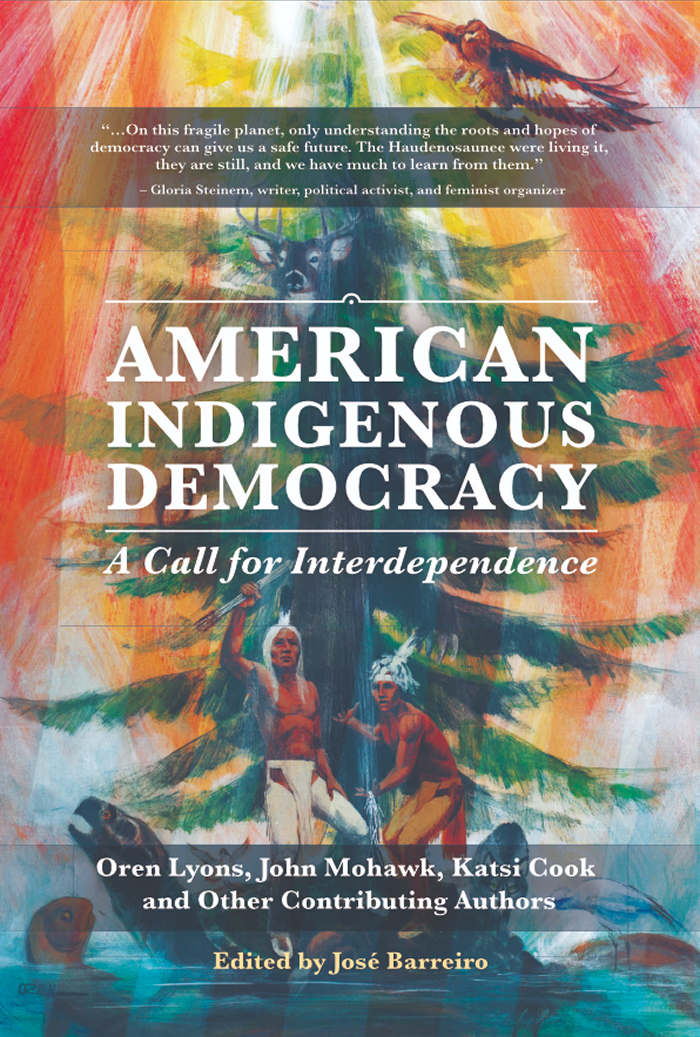
P.S. Next month, for the first time ever, I am offering a course on matriarchal governance. This course is for practitioners (lawyers, tribal leaders, mediators, community organizers, non-profit and business leaders) and for those who prepare governance documents (including family-based documents). More information on how to register is below.