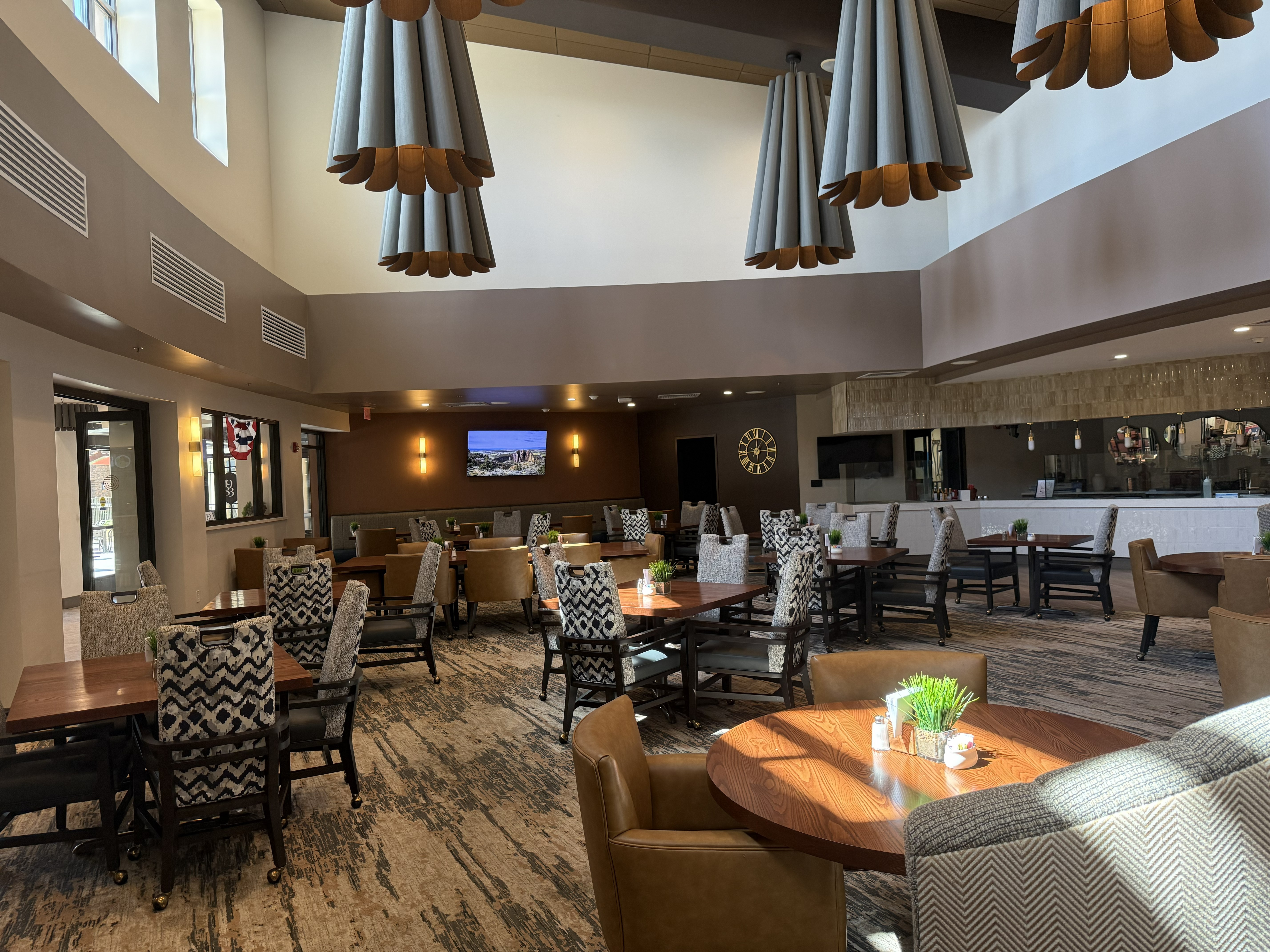
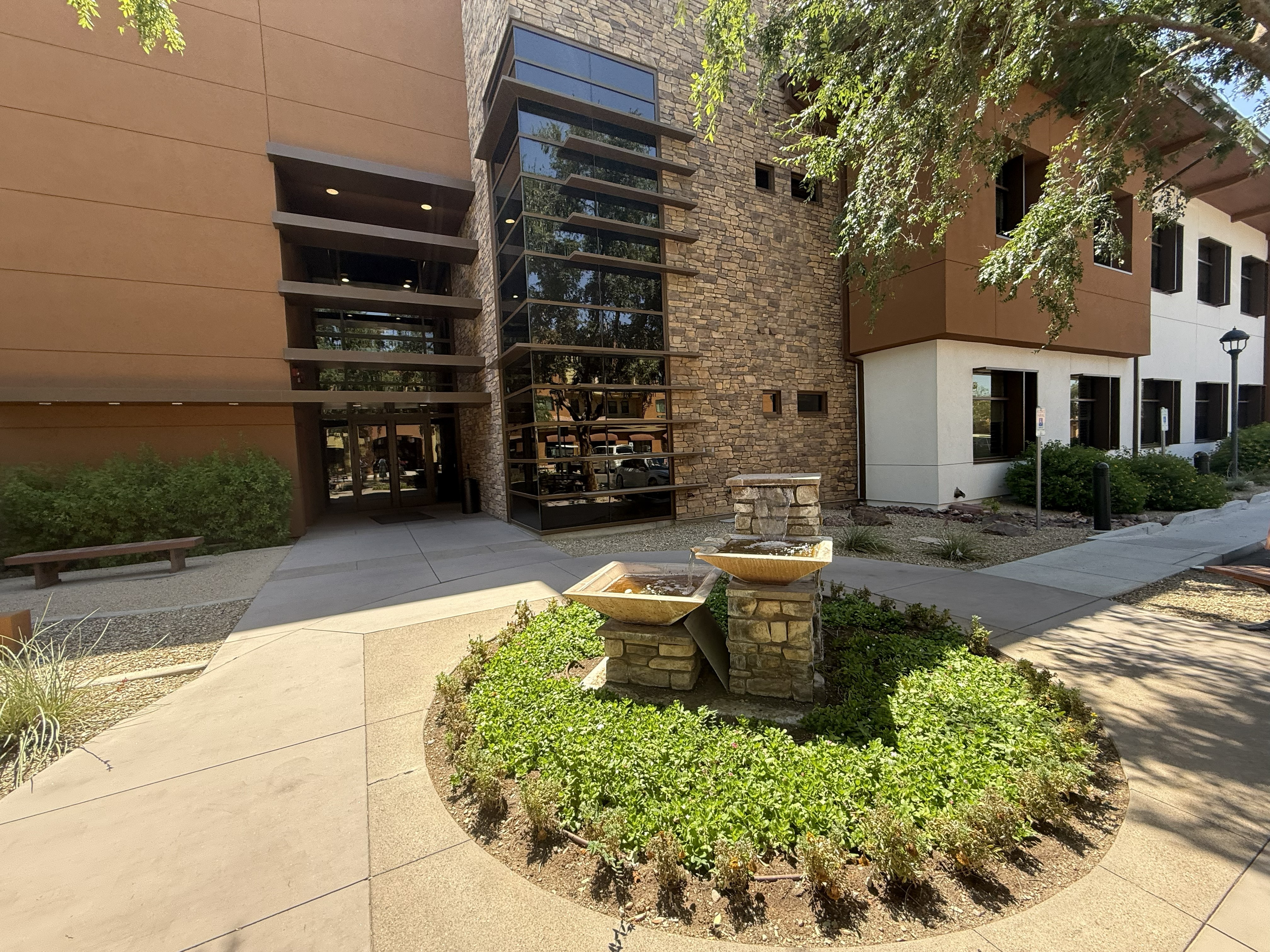
The ‘Design For Life’ newsletter, aims to foster knowledge sharing and collaboration in the senior living industry

Hi {{user.first_name}},

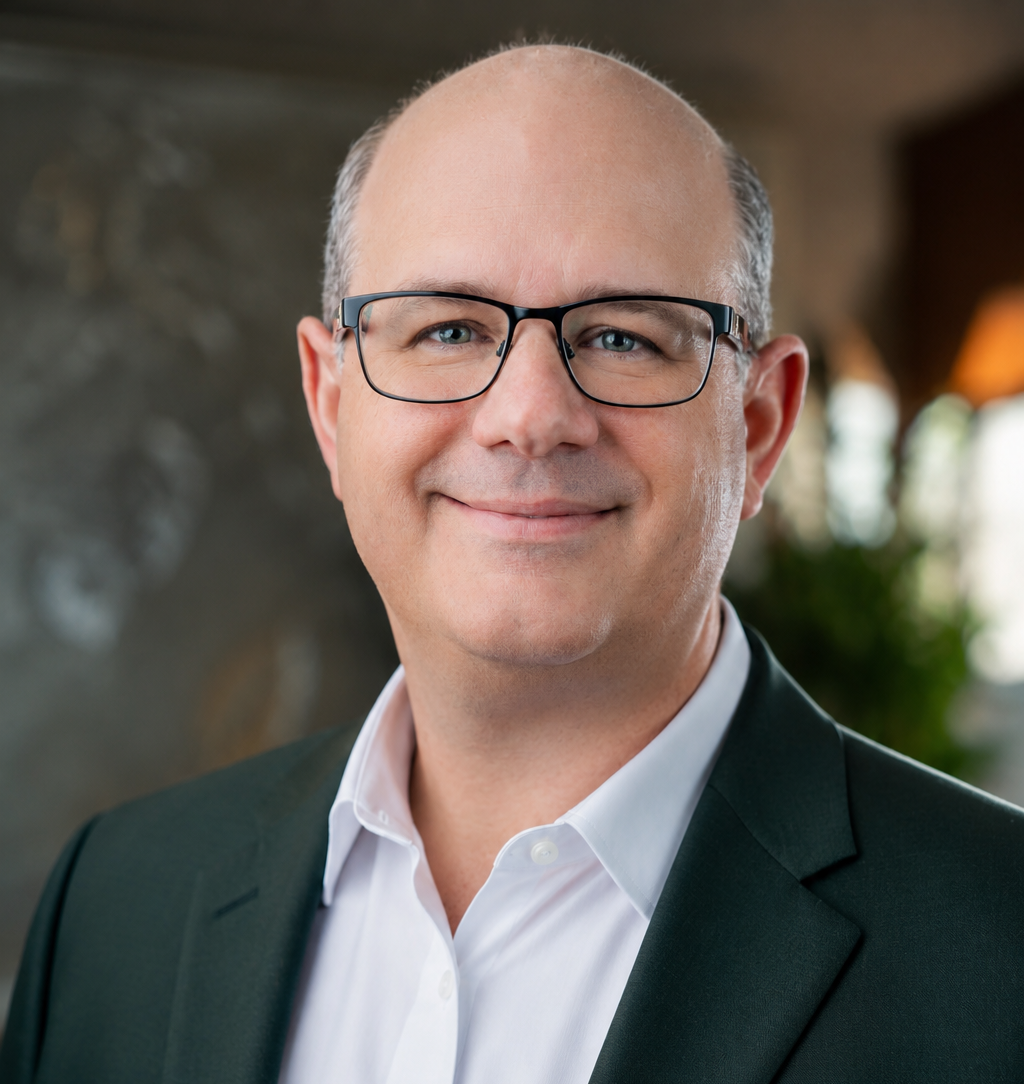
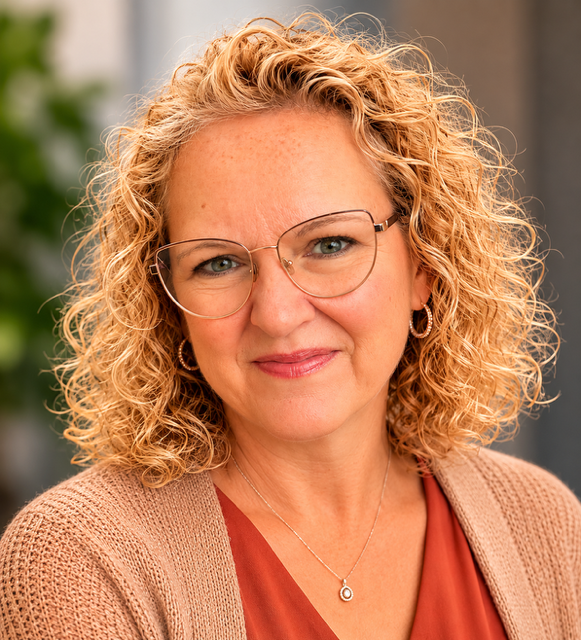
Welcome to our August 'Design For Life" Edition. As a senior living decision-maker, the choices you make today shape your residents’ experience, your organization’s resilience, and its long-term value. In this issue, I explore how thoughtful architecture, leadership, innovation, and strategic partnerships can help you prepare for what’s ahead. As your architect and a practitioner focused on senior living, I offer insights grounded in research, experience, and conversations with leaders in the field. Discover “The Sleep Challenge Has a Design Solution” and how design can support restorative sleep, then explore “Exploring Possibilities, Transforming the Future: Aventur’s Vision for Senior Living” featuring Aventur’s leadership team: CEO Gretchen Cobb, COO Dina Capek, and CFO Carter Smitherman, and their vision for what comes next.

Interview with Gretchen, Dina and Carter from Aventur Senior Living

Exploring Possibilities, Transforming the Future: Aventur’s Vision for Senior Living
Interview By Youssef Matta

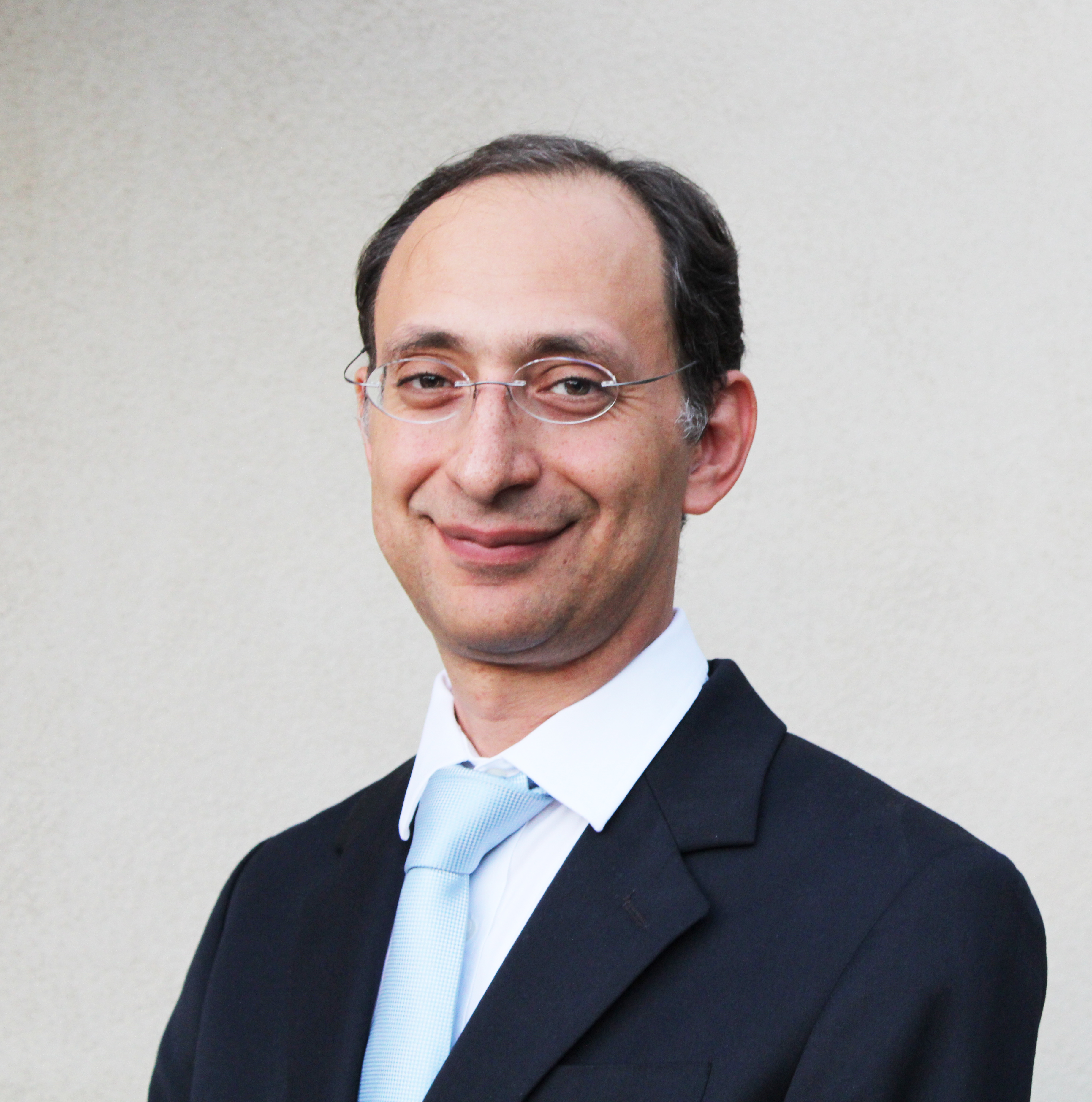
Youssef Matta, is the Principal Architect of Impact Architects, is a dedicated and seasoned architect with a deep passion and expertise in senior living design. With a portfolio that includes award-winning projects, he is on a mission to transforming the senior living industry by advocating for resident-centered design, achieved through invaluable input from operators. This approach enables the aging population to live gracefully and with purpose, while emphasizing the critical synergy between operations and design

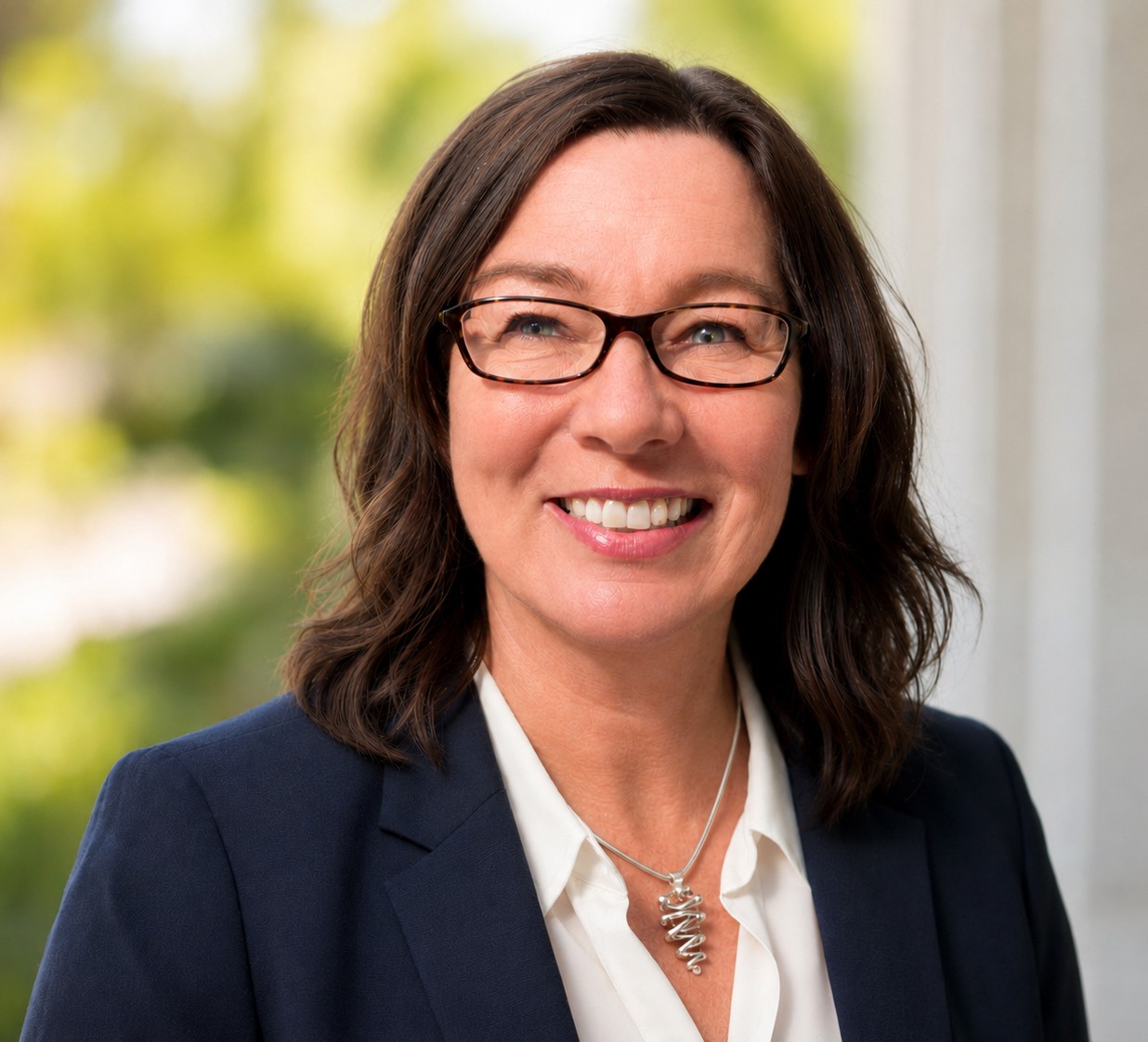
Gretchen Cobb, is the CEO of Aventur Senior Living. She leads Aventur with strategic clarity, hands-on leadership, and a strong commitment to seniors and the teams who serve them. She holds an MBA from the University of Phoenix and was named Arizona LeadingAge Emerging Leader of the Year in 2018

A. Carter Smitherman, is the CFOof Aventur Senior Living. He has more than 22 years of accounting experience in Arizona nonprofit and government sectors. His prior leadership includes CFO of Royal Oaks Retirement Community and Director of Finance at Arizona Opera.

Dina Capek, is the COO of Aventur Senior Living. She brings clinical expertise, operational leadership, and a whole-person approach to senior living. Beginning her career as a CNA in 1989, she later became an RN and previously led Health and Residential Services at Royal Oaks.

In a candid interview, Aventur’s senior leadership team—Gretchen Cobb, CEO; Dina Capek, COO; and Carter Smitherman, CFO—share their perspectives on the organization, its mission, and its vision for the future.

For Gretchen, a career in senior living was never part of the original plan. For Dina, it was almost inevitable. For Carter, it’s more about agape, the most admirable form of love, than it is about the numbers.

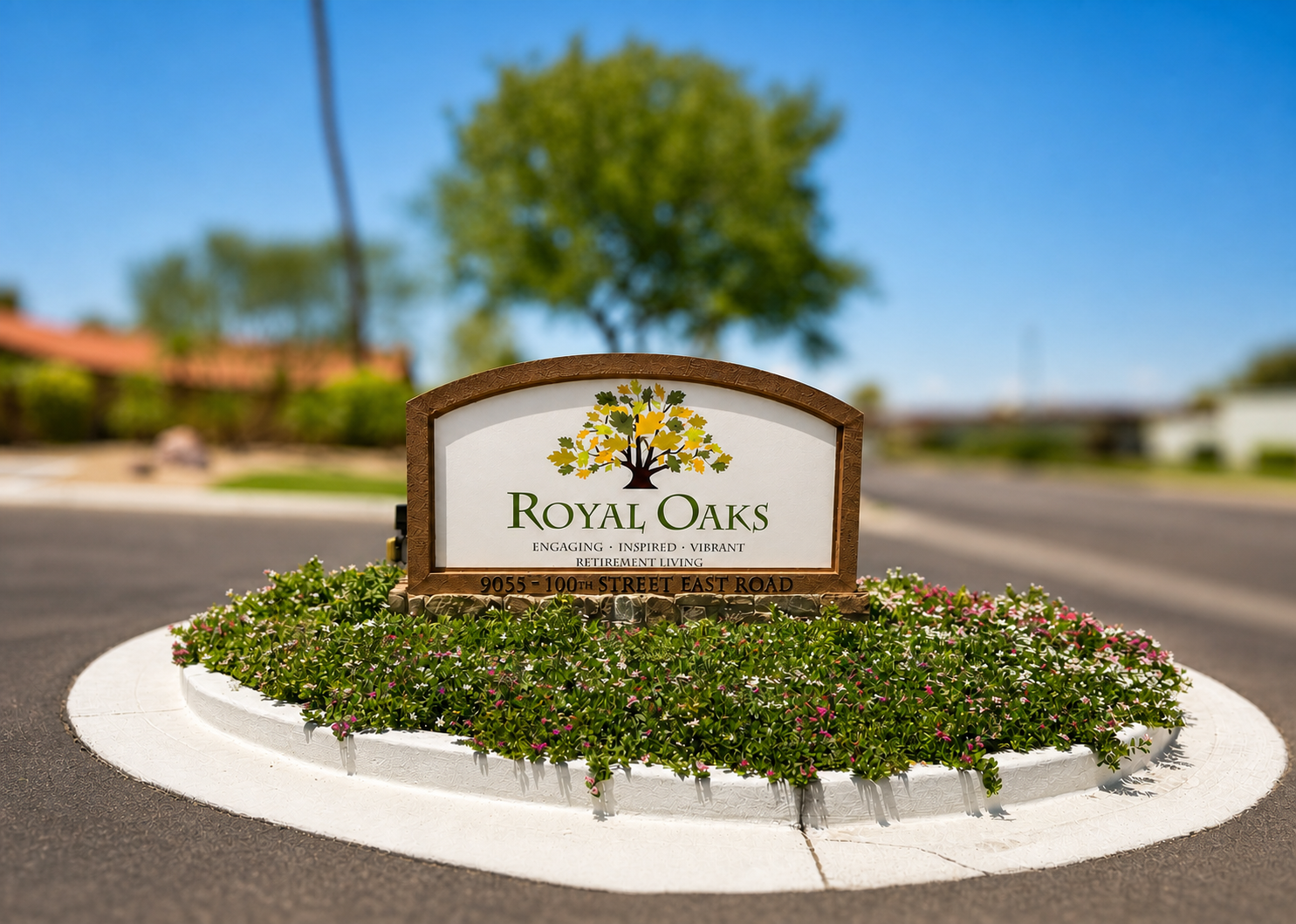
Their paths converged at Royal Oaks in Sun City, Arizona, where decades of hands-on experience, organizational growth and a willingness to challenge conventional thinking helped shape a new vision for nonprofit senior living: Aventur.


Today, Aventur is built around a simple premise: strong senior living organizations can do more when they are willing to rethink how they operate, embrace the right partners and prepare for a future that will be more complex—and more demanding—than the past.

For Gretchen, the attraction has always been the mission.


“I never saw myself in senior living,” she says. “But once you experience this field, you quickly realize how rewarding it is.”


What kept her at Royal Oaks was the opportunity to help an organization fulfill its mission. Over time, that experience created an opportunity to take what had been learned at Royal Oaks and make it available to other organizations.


Dina’s connection to senior living is more personal. She has spent more than 29 years in the field, inspired in part by her two grandmothers, whom she describes as her best friends. When she was 13, one grandmother lost her sight because of unmanaged diabetes. The experience motivated Dina to become a nurse and sparked a lifelong commitment to improving the lives of older adults.


She eventually joined Royal Oaks as an RN, but she never wanted her role to be limited to nursing.


“I wanted to help make living conditions better for people as they age,” she says.

That philosophy became central to the evolution of Royal Oaks—and ultimately to Aventur.

From One Community to a Broader Mission

Royal Oaks demonstrated that a nonprofit senior living organization could be financially strong while continuing to expand its mission. As its reputation grew, other communities began seeking its expertise, asking how Royal Oaks approached operations, innovation and organizational sustainability.


Those conversations planted the seeds for Aventur. “We realized that what we’ve built at Royal Oaks—with our team, board and years of experience—gives us an opportunity to help others create sustainable organizations and evolve their missions,” Gretchen says.


The timing was also significant. Royal Oaks, now 43 years old, had become a strong single-site organization. But remaining a single site presented its own long-term risks.


Dina describes the challenge as protecting what had been built while finding responsible ways to grow and collaborate with organizations that share similar values.


The result was not a sudden strategic pivot, but an idea that developed organically over several years.In 2025, Aventur Senior Living was formed as a parent nonprofit company by Royal Oaks Senior Living, assuming management of Royal Oaks and The Glen in Shreveport, Louisiana, which joined the fold soon after the formation of the new entity.


That approach also reflects the leadership philosophy behind Aventur: growth should be intentional rather than growth for growth’s sake.


“We’re not on a fast track to become a large organization,” Gretchen says.

Instead, Aventur is looking for organizations where a genuine partnership can create value—communities that share its culture and want to protect their mission while strengthening their future.


A Pioneer’s Mindset

Innovation has long been part of Royal Oaks’ DNA. Dina recalls arriving at a community that consisted of an independent living building, a skilled nursing facility and garden homes, with a single dining venue.

There was tremendous potential to build on that foundation. Over the years, Royal Oaks added programs, services and levels of care as healthcare, technology and resident expectations changed. The philosophy was straightforward: senior living organizations cannot afford to wait for change to become unavoidable.


“You can’t be the last—you have to be the first, or you’re last,” Dina says. That mindset has extended to technology. Royal Oaks was an early adopter of paperless systems and the first organizations in Arizona in its CCRC and skilled nursing environment to implement a fully electronic medical record. But innovation, in this view, is never a one-time achievement.


Technology changes. Regulations change. Resident expectations change. Organizations have to keep evolving with them.


The complexity of operating senior living communities has also increased. Regulatory changes, including changes to Arizona’s directed care requirements, can affect residents, families, caregivers, staffing and operations simultaneously.


For Aventur, experience is one of the most valuable resources it can bring to those challenges.

Boots on the Ground

What distinguishes Aventur, its leaders say, is not simply its years of experience. It is the nature of that experience. The team has worked throughout senior living organizations—from the bedside and clinical operations to finance, food service, facilities, landscaping, programming and administration. That means they understand what decisions look like from the perspective of residents, frontline employees, boards and leadership teams.


“It’s not just sitting in an office or meeting with your leadership team,” they explain. “It’s being embedded in the organization.” That can mean knowing frontline employees by name, understanding what is happening in their lives and recognizing when a change in behavior may have a personal explanation.


It can also mean showing up at 7:30 at night to help evacuate residents during a fire alarm—or stepping into a frontline role when staffing is short. That kind of presence reinforces a fundamental belief: senior living is ultimately about people.


The business matters. Occupancy matters. Budgets matter. But every operational decision eventually becomes part of someone's daily experience. As Gretchen puts it, “Every spreadsheet turns into a resident experience.”

“Every spreadsheet turns into a resident experience”

Technology Can’t Replace Connection

The industry is entering another period of profound change. Technology, artificial intelligence, staffing pressures and a new generation of baby boomers will reshape senior living in the coming years.

Aventur’s leaders see tremendous potential in technology, but also a clear boundary.

“New tools can streamline administrative work, improve efficiency and give employees more time to spend with residents. But technology cannot replicate compassion, empathy or belonging,” shared by Carter.


People entering senior living will continue to want connection, purpose and a sense that they are valued and needed. “We can make many things faster and more efficient, but we can’t make compassion faster,” Carter says.


That distinction will become increasingly important as organizations adopt new technologies. The goal should not be technology for its own sake, but technology that enables people to spend more time doing the things technology cannot do.

Addressing a Growing Housing Gap

The need for senior housing adds another layer of urgency. Demand is growing across the senior housing spectrum, while the cost of land, construction, legal services and capital has increased significantly. At the same time, consumers expect high-quality homes and services.

There is no single answer. Some communities may be able to expand existing campuses. Others may need to develop new sites, build additional homes or find strategic partners. In rural communities, the challenge can be even greater because demand may be distributed among several small communities that cannot individually support the cost of new development.


The middle market presents another particularly important opportunity. Aventur believes the industry needs to explore ways to standardize homes, units, programs and services so that quality senior living can become more accessible and affordable to middle-market residents.


Partnerships will be essential. That could mean working with other nonprofits, for-profit organizations, government agencies or philanthropy. Philanthropy, in particular, may have an important role to play in addressing needs that traditional financing models cannot easily accommodate. Yet philanthropy is often the least familiar—and perhaps most overlooked—option for organizations accustomed to traditional financing. For Carter, the nonprofit model is central to that vision. Like the communities it serves, Aventur is a nonprofit organization, allowing resources to be reinvested into the communities and residents it serves.

"Philanthropy, in particular, may have an important role to play in addressing needs that traditional financing models cannot easily accommodate for non-profit. Yet philanthropy is often the least familiar—and perhaps most overlooked—option for organizations accustomed to traditional financing."

The Risk of Standing Alone

Perhaps the strongest argument for partnership is not growth—it is resilience. Many single-site nonprofit communities have been successful for decades. But success today does not necessarily guarantee sustainability tomorrow.

COVID-19, the 2008 housing crisis, failed construction projects, regulatory changes and other disruptions have demonstrated how quickly circumstances can change.

“Every single-site organization is one crisis away from something potentially devastating to its community,” Gretchen says. Dina believes many smaller nonprofits underestimate that vulnerability because they have historically been successful. The challenge is recognizing the risk before a crisis forces the issue.


Being independent can be valuable. But being alone is not always the same thing as being strong. Aventur’s approach, according to Carter, is to encourage organizations to think about partnerships while they are still healthy—when they can evaluate options, choose aligned partners and shape their own future.

Partnership, Not Prescription

That philosophy extends beyond organizational affiliations to Aventur’s approach to strategic partners, including architects and other professional advisors. The best partner, they believe, is not someone who arrives with a predetermined solution. It is someone who listens, asks questions and understands the organization’s vision before proposing a path forward.


A good strategic partner brings expertise without taking ownership of the vision. The goal is to take an idea and help develop it into something responsible, practical and viable.

That same philosophy defines how the Aventur team works with one another. Dina, Gretchen and Carter describe their leadership approach as one of cautious optimism. They challenge each other, question assumptions and consider opposing viewpoints.


Not every idea is a good idea. Sometimes the right answer is to go back to the drawing board. They even joke that the objective is occasionally to identify the “least worst” option.

What matters is creating an environment where people trust one another enough to disagree—and where everyone remains focused on the same outcome.

“ Every single-site organization is one crisis away from something potentially devastating to its community.”

Exploring Possibilities. Transforming the Future.

Asked to summarize Aventur’s mission in a sentence, Gretchen offers: “Exploring the possibilities.” Dina’s answer is: “Transforming the future.” Carter replied, “To go beyond the ordinary.” Together, those ideas capture the organization’s approach. Aventur is not pursuing growth simply to become larger. Its goal is to help more residents live meaningful lives while helping senior living organizations become sustainable enough to serve future generations.


Over the next decade, success will not be measured solely by the number of communities Aventur serves. It will be measured by the lives improved and the organizations strengthened. The opportunity is to help communities think beyond today’s occupancy numbers and budgets toward the next 20 or 30 years.


For strong single-site organizations, that planning should begin before circumstances make it necessary. “The time to prepare for the future is while you’re strong,” Gretchen says. “When you have the opportunity to choose the right partners—not wait until circumstances force those choices.” And for organizations wondering what comes next, Carter offers a simple invitation: start the conversation.


“If you’re a single-site organization and don’t want to be alone anymore, reach out and talk to us,” he says. “But it works the other way, too. If everything seems fine today, but you’re wondering what happens after you’re gone—who will carry the baton, pass the torch, or take the organization to the next level—that’s the time to start thinking about your future.”


For Aventur, the future of senior living is not about choosing between mission and business, innovation and tradition, or independence and partnership. It is about finding the right balance among all of them—and remembering that behind every strategy, spreadsheet and capital plan is a resident whose life should ultimately be better because of the decisions being made today.

Interviewed edited for length

The Sleep Challenge in Memory care has a Design Solution
by Youssef Matta

Mrs. Mary did not sleep well last night. Her sleep was fragmented, her rest shallow, and by morning she woke tired — quieter than usual, less herself. It is a story caregivers and memory care managers hear almost every day, in almost every community. A resident who struggled through the night. A family member asking why. A care team doing their best with the tools they have.

Most senior living leaders have responded with what is available: clinical protocols, medication reviews, and structured care routines. These are reasonable responses, and they help. But they address the surface of the problem, not its source. And for many residents, the fragmented nights continue.

What if part of the answer has been in the building all along?

It is worth acknowledging that not all sleep disturbance in memory care has the same origin. Some cases are rooted in specific medical conditions — pain, urinary tract infection (UTI), respiratory disorders such as sleep apnea, medication side effects, or psychiatric comorbidities — that require direct clinical evaluation and treatment. Those cases call for a physician's judgment, and no design intervention replaces that. But a significant share of the sleep disruption that plays out in memory care communities every night is not driven by a diagnosable medical condition. It is driven, at least in part, by the environment residents live in. Those are the cases this article addresses — and that is where architecture has something meaningful to offer.

Sleep is not a comfort amenity in memory care. It is a clinical variable — one that shapes cognitive trajectory, fall risk, behavioral stability, medication load, and the long-term sustainability of care. Between 20 and 70 percent of memory care residents experience clinically significant sleep disturbance, according to a meta-analysis of 22,780 participants (Ye et al., 2017, PMC). The consequences are serious and compounding: accelerated cognitive decline, increased falls, agitation, sundowning, psychotropic medication overuse, and staff burnout. For residents living with dementia, disrupted sleep is not simply a quality-of-life concern — it is a clinical challenge that worsens everything else the care team is already managing.

A 2025 field study published in the journal Sleep found that brighter indoor daytime light was associated with less fragmented sleep in people with dementia, while Light, acoustics, temperature, spatial design, and daily routine are not separate decisions. Together, they form a single circadian system — and that system is something architects can design for. The building Mrs. Mary sleeps in every night is either working with her biology, or against it.​

The Window as Biological Infrastructure

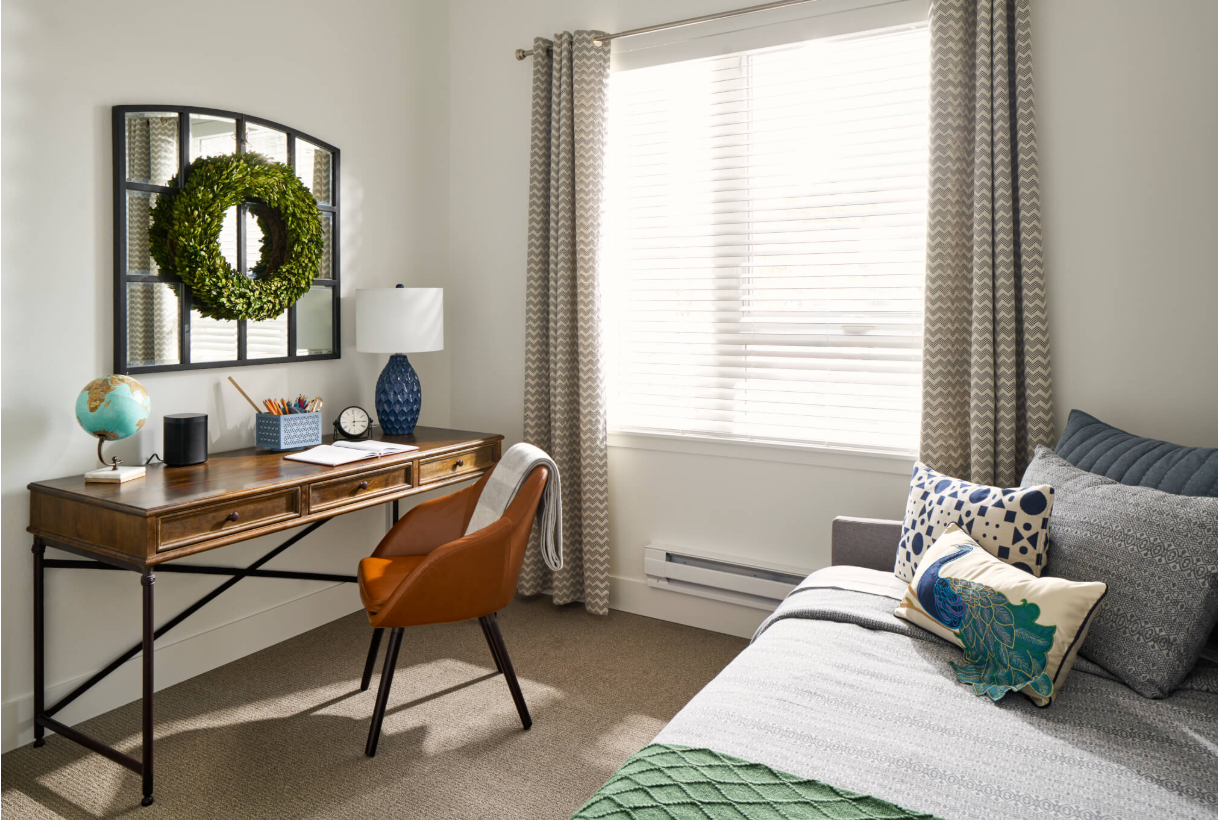
Natural light is not a design preference — it is a physiological input. A 2020 study found that residents with approximately 63 percent more natural daylight exposure reported significantly fewer sleep disturbances and better overall sleep quality (Flores-Villa et al., 2020). The 2025 field study confirmed that brighter indoor daytime light independently predicted less fragmented sleep in people with dementia, even after accounting for other environmental variables (Skeldon et al., 2025). Morning light exposure between 6:00 and 12:00 am consistently correlates with more stable rest-activity rhythms in older adults, even after controlling for age, cognition, depression, and fatigue.

Age compounds the challenge. Lens yellowing — a normal effect of aging — means older adults require significantly higher lux levels to receive the same circadian signal as a younger person. This makes building design not an optional upgrade, but a compensatory tool that clinical interventions alone cannot replace.

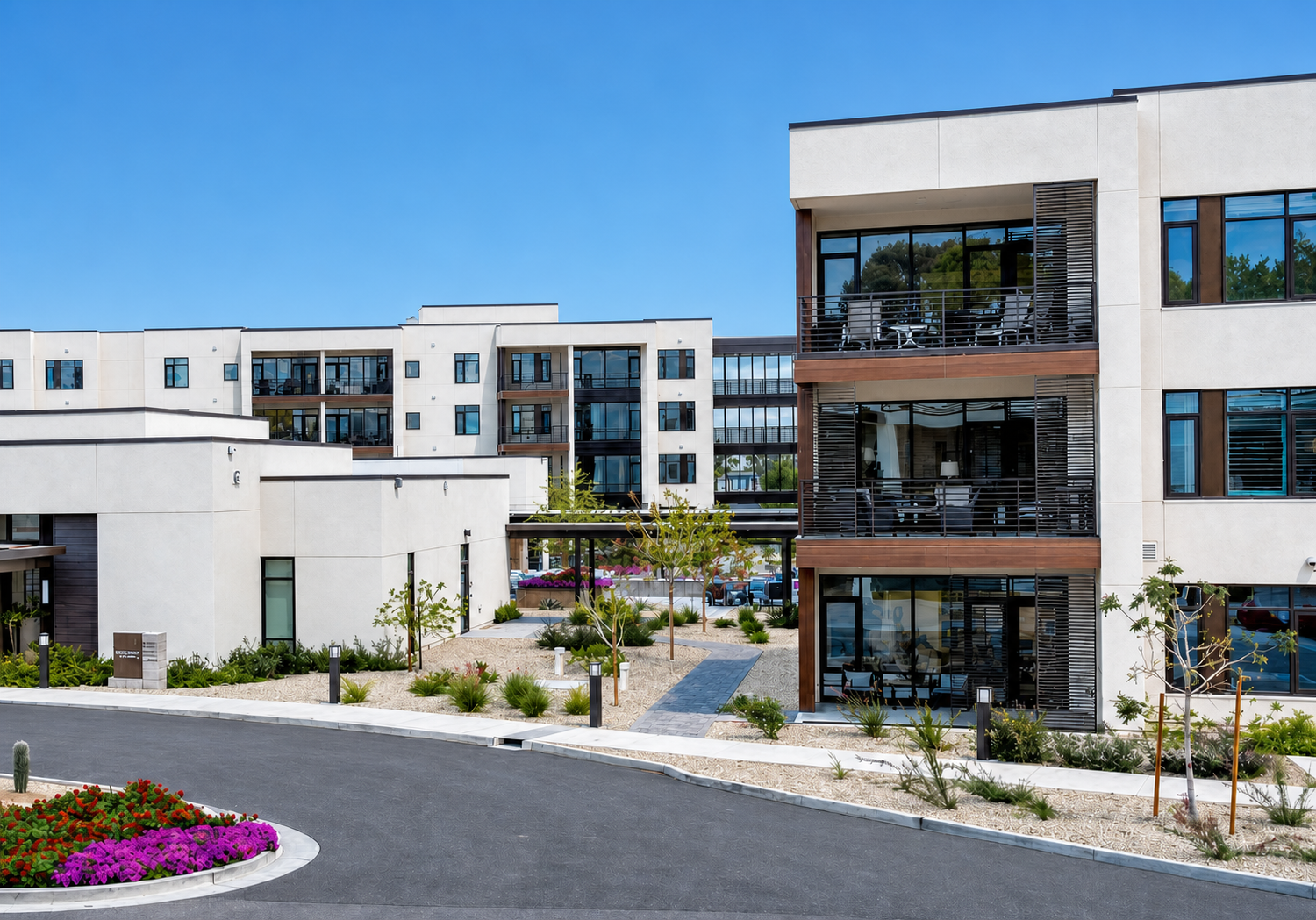
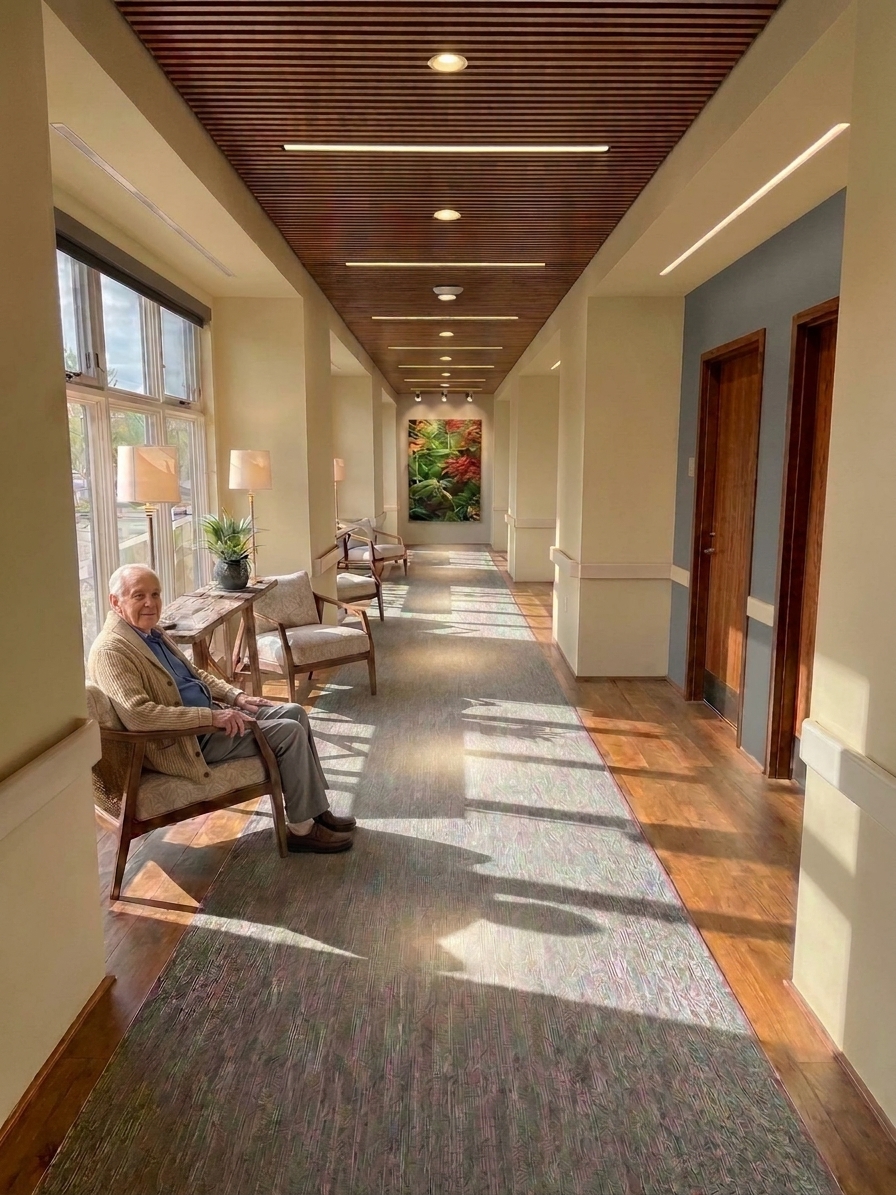
The connection between daylight and resident wellbeing is not only a research finding — it shows up in operational experience. When residents at Royal Oaks moved into a new building designed with private rooms and abundant natural light, the Chief Operating Officer of Aventur observed a meaningful shift in how residents felt and functioned day to day. The change was not a new medication protocol or a revised care model. It was a different building — one with more light, more privacy, and a physical environment designed with the resident's lived experience in mind. The building itself produced an outcome that clinical adjustments had not.

Acoustic Zoning: Sound as a Clinical Variable

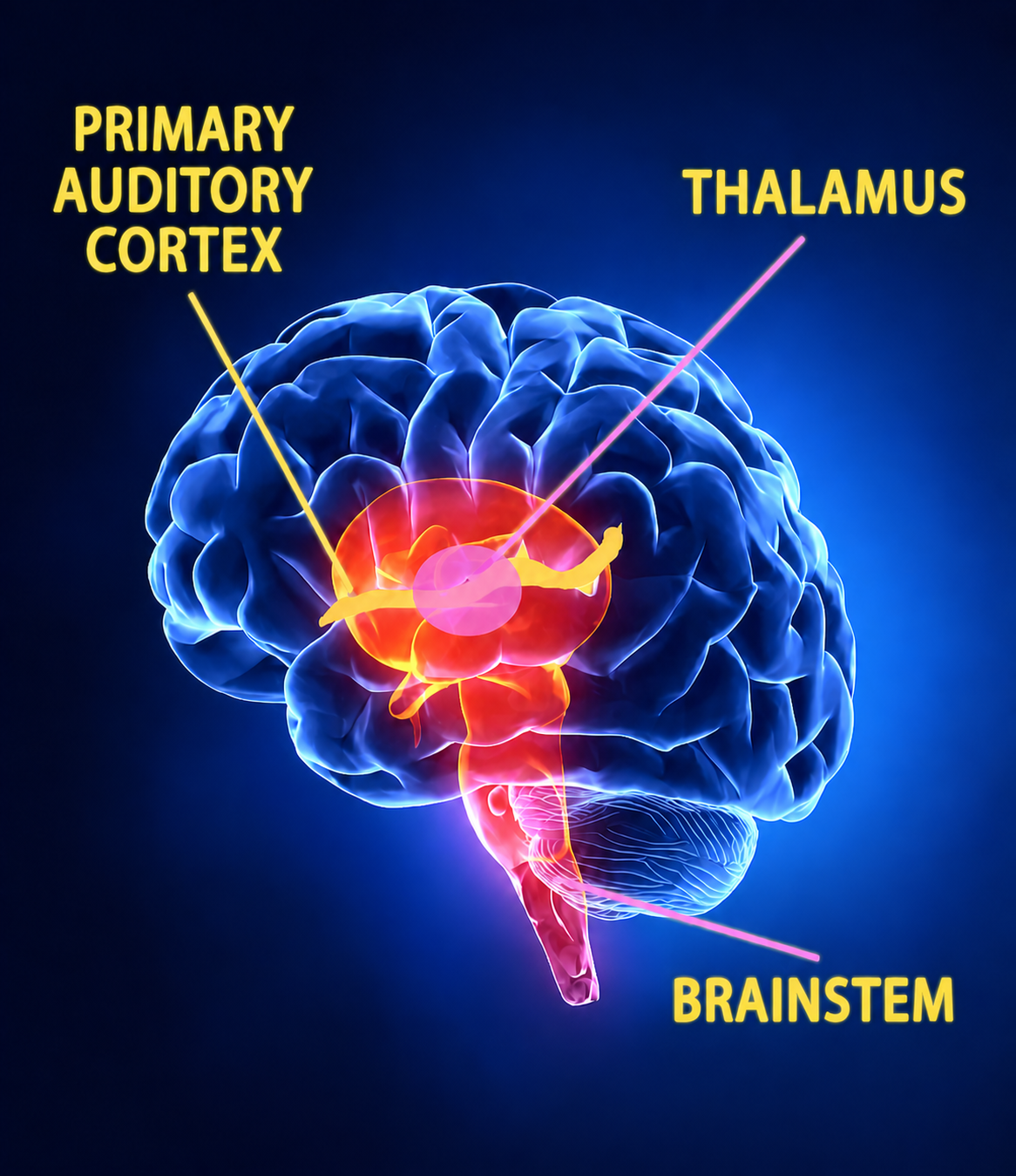
The sleeping brain does not go quiet. Neuroimaging and electrophysiology research confirms that auditory signals continue to travel from the ear through the brainstem and thalamus into the auditory cortex across all stages of sleep (Portas et al., 2000, NeuroImage; Lashley et al., 2020, Journal of Neuroscience; Coffey et al., 2025, Journal of Neuroscience). In a healthy brain, K-complexes — large electrical waves visible in an electroencephalogram, or EEG — act as a protective gating mechanism, allowing the brain to process a sound and determine it is not a threat without fully waking. In Alzheimer's disease, K-complex density and amplitude are significantly reduced, and their onset is delayed, weakening this natural filter (Urakami, 1999, Psychiatry and Clinical Neurosciences; De Gennaro et al., 1997; Colrain et al., 1997).

The association cortices and frontoparietal networks responsible for filtering and suppressing irrelevant sound are among the first brain regions to degenerate in Alzheimer's (Bradford et al., 2006, Clinical Neurophysiology; Serrano-Pozo et al., 2011, Cold Spring Harbor Perspectives in Medicine). Primary auditory pathways, by contrast, remain relatively preserved. The result is direct: the resident with dementia still hears the slamming door, the corridor conversation, the distant alarm — but the diseased brain can no longer reliably decide what voices do not matter.

The World Health Organization (WHO) recommends indoor bedroom noise at or below 30 decibels on the A-weighted scale — a measurement that approximates the sensitivity of human hearing — for continuous equivalent sound levels at night. Senior living communities routinely exceed this. In research on sleep disruption in care settings, 65 percent of patients identified staff conversations as disruptive, followed by roommates at 54 percent, overhead alarms at 42 percent, and general corridor noise (WHO Night Noise Guidelines; Centre for Health Design Sound Sleep Study).

Design targets for memory care bedrooms are 30 to 35 dB(A) with a reverberation time — the duration it takes for sound to decay to inaudibility — of under 0.5 seconds. Corridors should target approximately 45 dB(A) with reverberation times under 0.8 seconds (WHO; Aged Care Acoustic Guidance). The strategies that achieve this are architectural: locating noisy support spaces away from bedroom corridors; installing solid-core, fully sealed doors; specifying ceiling tiles with a Noise Reduction Coefficient (NRC) rating of 0.70 or higher; using cushioned flooring; and routing alarm notifications directly to staff devices rather than broadcasting them overhead through the building.

Credit Composure presentation for AIA

Credit Composure

Sonic Interventions: Pink Noise and Music as Clinical Tools

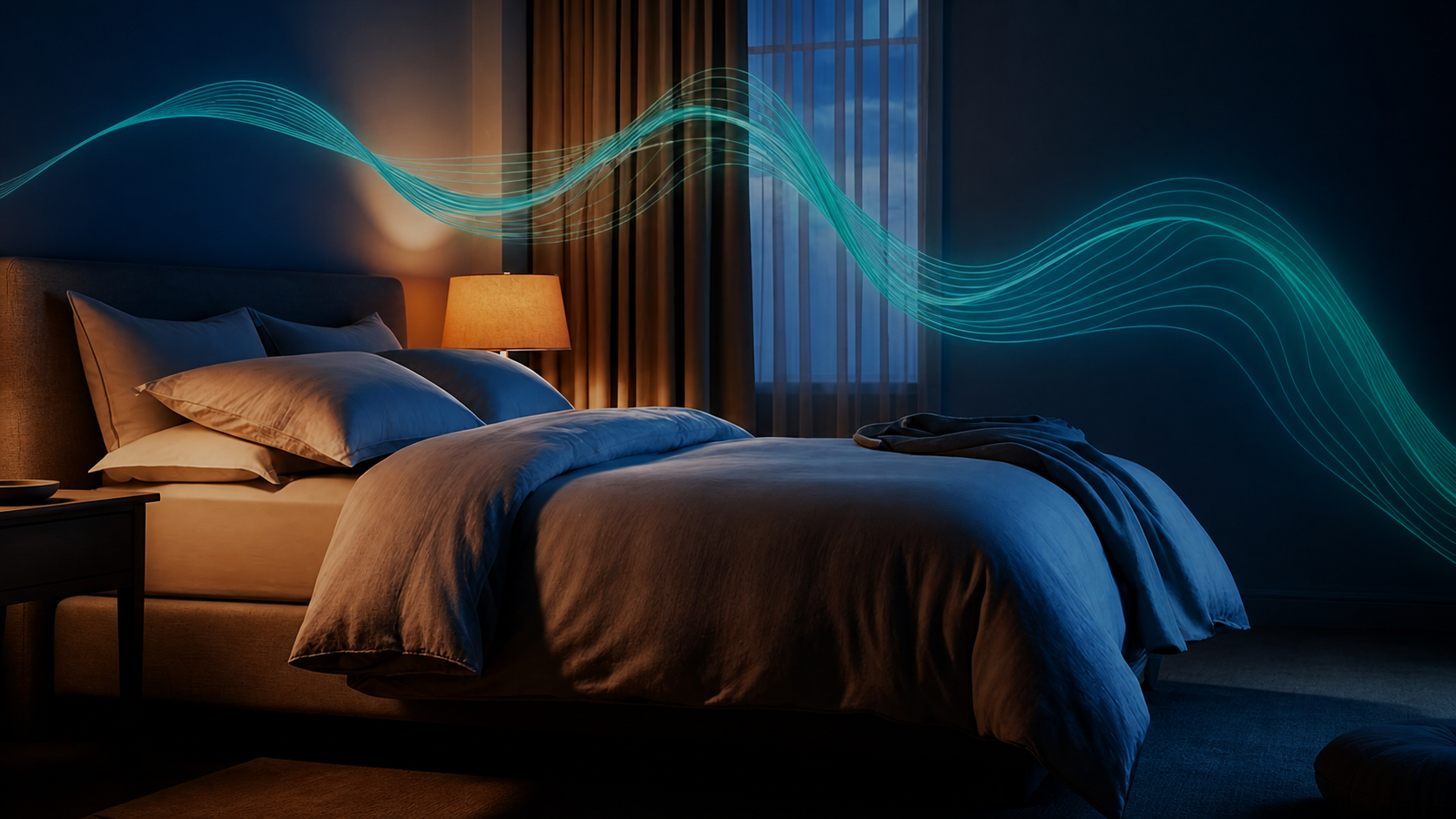
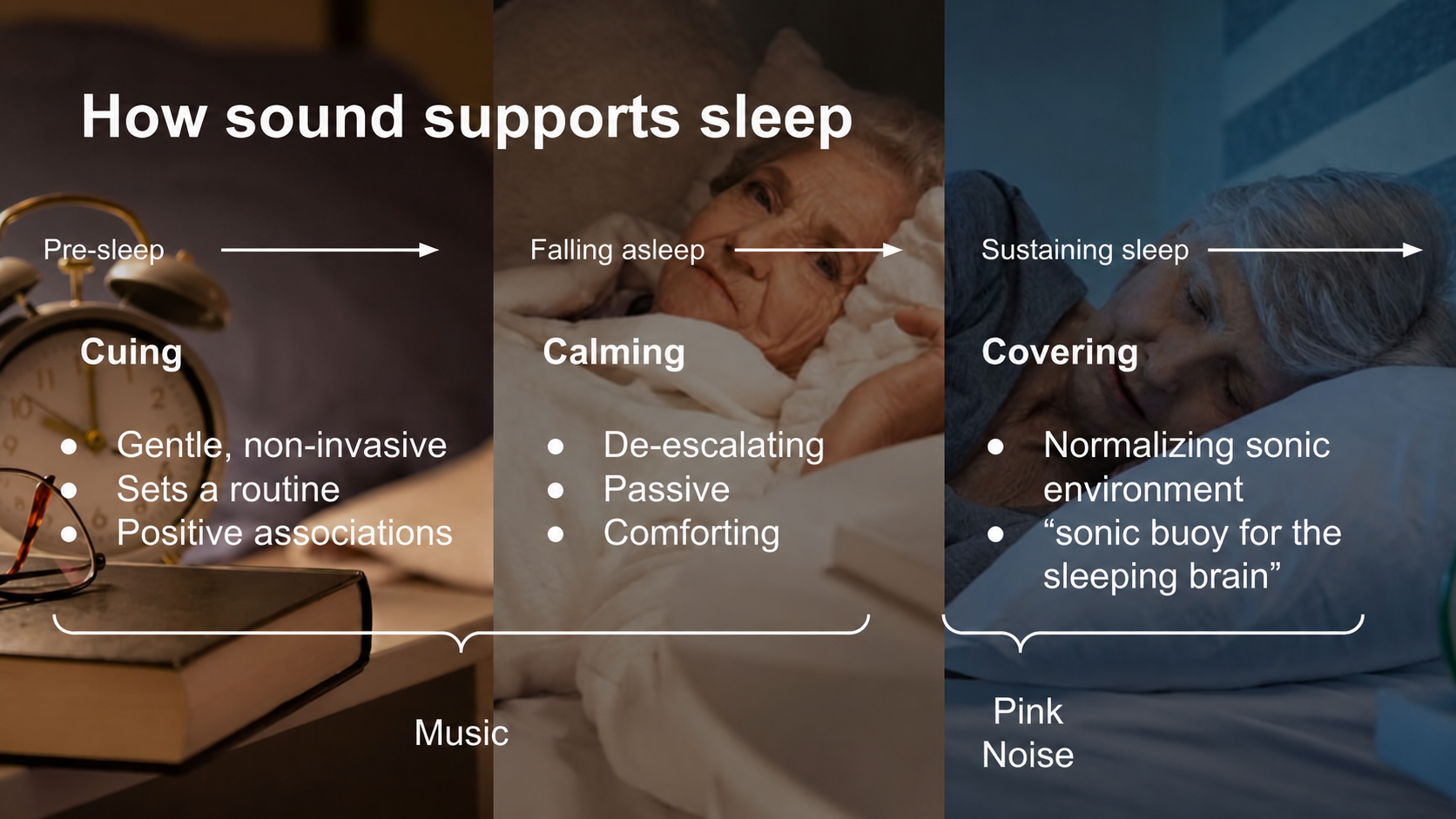
Because the sleeping brain with dementia cannot suppress unpredictable sound the way a healthy brain can, one design strategy is to normalize the sonic environment rather than simply reduce it — replacing an erratic acoustic landscape with a steady, predictable one. Pink noise is a form of broadband sound that contains equal energy across octave bands and is perceived by the auditory system as stable and non-threatening. By gently raising the acoustic floor, it makes sudden disruptive events less salient to the sleeping brain (Sleep Foundation; Harvard Health Publishing). In older adults, pink noise bursts synchronized to the brain's own slow waves during deep non-rapid-eye-movement (NREM) sleep have been shown to enhance slow-wave activity and improve next-day memory performance by approximately 30 percent (Harvard Health Publishing; University of Colorado Anschutz Medical Campus).

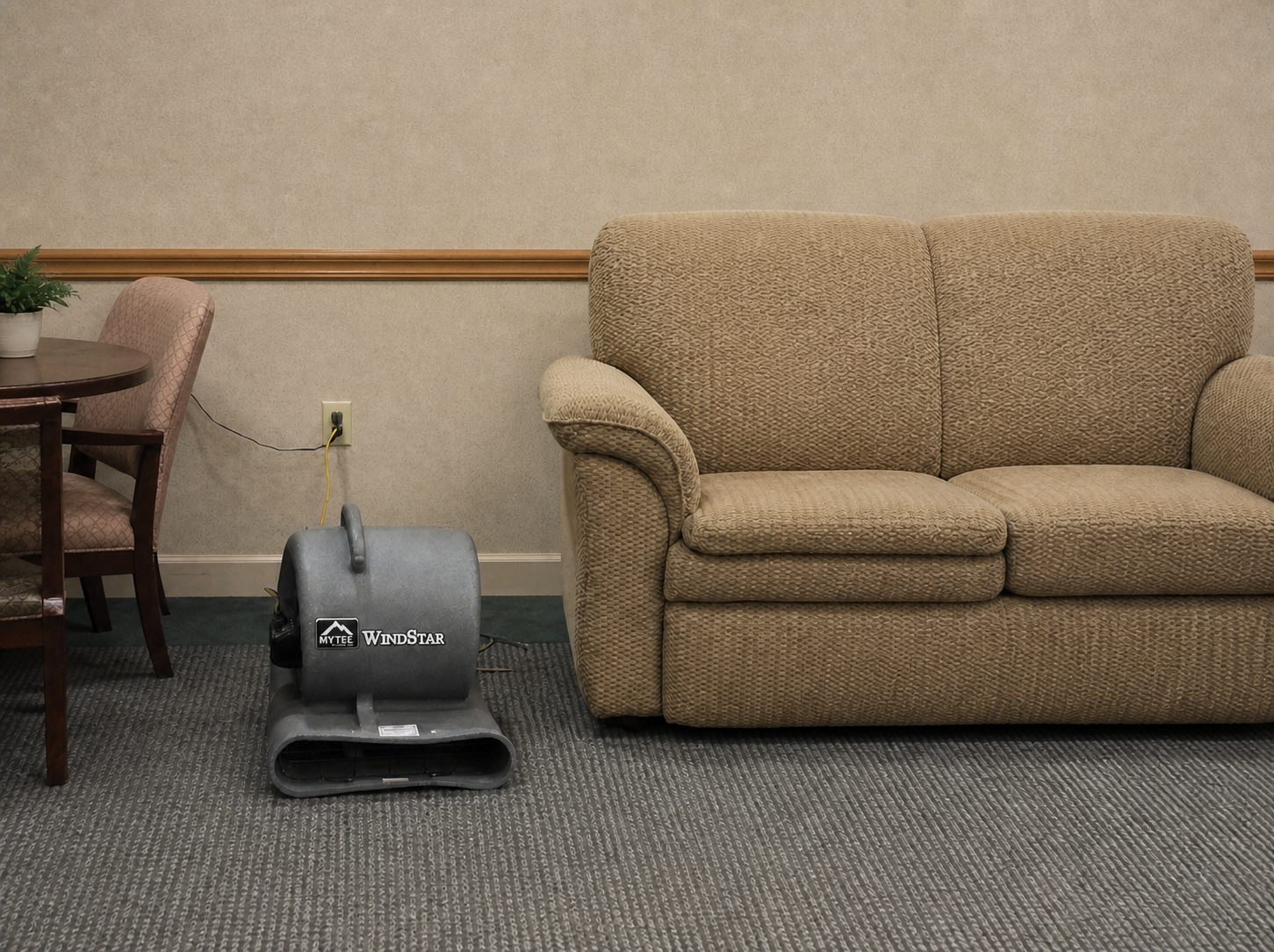
An observation from Meadowview Memory Support at Gardenspot Village — a continuing care retirement community (CCRC) in New Holland, Pennsylvania — illustrates this principle with unusual clarity. Several residents with dementia had a persistent pattern of waking between 2:00 and 4:00 am; some were already dressed, had eaten breakfast, and were sitting in the lounge by the time the memory care director arrived at 7:30 am. During a unit renovation, large construction fans placed in the bedroom corridor to dry wall finishes ran through the night. The following morning, every one of those residents was still asleep. The fans' continuous broadband hum had created exactly the steady acoustic environment the sleeping brain needed — not silence, but a predictable sonic landscape in which random disruptions could no longer stand out and trigger unwanted wakening. It was an accidental proof of concept that pointed directly toward an intentional design strategy. Companies such as Composure have built on this principle, developing pink-noise-based sonic sleep treatments specifically for senior living and memory care communities. A 2024 quality-improvement program using a customized sonic sleep intervention found improved cooperation with care and reduced daytime drowsiness, with positive staff feedback that persisted even after the formal program ended (Abushousheh et al., 2024, HERD: Health Environments Research and Design Journal).

Music operates through a different but equally compelling mechanism. Because auditory processing remains relatively preserved even in advanced dementia, music can reach residents in ways that verbal instruction or care routine alone cannot. A systematic review found that slow, relaxing, preference-based music used at bedtime — approximately 60 to 80 beats per minute, for 30 to 45 minutes — improved sleep quality, shortened sleep onset, and reduced wakefulness after sleep onset, with sedative music significantly outperforming rhythmic selections (Petrovsky et al., 2021, Geriatric Nursing). In dementia specifically, a systematic review found that six of eight studies reported positive effects on nighttime sleep disturbances and daytime alertness, with individualized playlists producing better outcomes than generic selections (Mu et al., 2022, Dementia). Music works as a structured clinical tool at bedtime — not as generic background sound — and it requires in-room audio infrastructure to do so: individual playlist capability, pillow speakers or low-volume bedside devices, and appropriate acoustic treatment of the space as a prerequisite.

Spatial Design and the Architecture of Circadian Routine

The lighting research is also, at its core, a scheduling argument. Morning bright light, daytime exposure, and evening dimming only produce circadian benefit when residents are occupying the right spaces at the right times. Spatial design either makes that happen — or prevents it. In dementia, sleep timing tends to follow the community's schedule more closely than the natural day, meaning that physical environments and daily routines either reinforce or erode the circadian system.

Built environment design that supports spatial orientation, reduces confusion, and reinforces predictable routine significantly improves health and wellbeing in people with dementia (Marquardt et al., 2014, Health Environments Research and Design Journal; 2023 systematic review, PubMed ID 37695195). Small-scale household models — typically serving 5 to 15 residents — create environments that are legible, predictable, and appropriately scaled to the cognitive and perceptual realities of the residents who live in them. Activity zoning, which acoustically separates noisy communal spaces from bedroom corridors, protects rest periods without isolating residents from community life. Personalized bedroom cues and clear landmarks help residents orient safely if they wake during the night.

Environmental transition protocols — structured sensory shifts beginning around 7:00 pm, with dimming overhead lights, closing corridor doors, soft music, and warm beverages, followed by quiet hours from 8:30 pm onward — have been shown to improve Pittsburgh Sleep Quality Index (PSQI) scores and reduce sleep medication use in randomized controlled trial studies developed through the DREAM (Dementia Related Evening Activity Management) Toolkit. Outdoor morning activity is a reinforcing variable: 120 minutes per week of outdoor walking with caregivers has been shown to significantly reduce sundowning symptoms over six months. The building either makes these routines easier to implement consistently, or harder. Spatial design is not neutral.

The Architecture of Rest

Sleep is a modifiable clinical outcome, and the building is one of its most underused levers. The evidence converges on a layered approach: maximize daytime light, reduce nighttime glare and noise, maintain bedrooms at cooler and thermally stable temperatures, and use individualized music and sonic interventions as structured tools rather than background amenities (Yang et al., 2022, PMC). Every design decision — a window's orientation, a corridor's reverberation time, a thermostat's zone boundary, the placement of a staff support space relative to a sleeping corridor — is a sleep decision, whether or not it is recognized as one.

For senior living executives, this has a practical implication: the best time to design for sleep is before the building is built. An architecture partner who understands the evidence, and who knows how to translate it into the specifications, layouts, acoustic details, and material choices that constitute a real building, can make the difference between a memory care community that supports rest and one that inadvertently works against it. Mrs. Mary's next night of sleep may depend less on what her care team does before bed, and more on decisions made long before she ever moved in.

End of Article.

If you're ready to move from inspiration to a clear project vision—and want expert guidance to ensure your next memory care community is built with purpose, dignity, and measurable impact—reach out to Impact Architects.

Our Discovery Pre-Design Review gives senior living executives and developers the roadmap they need to move forward with confidence, clarity, and no costly design mistakes.

The dream is worth it. So are the people who will call it home.

Here are 3 ways we can help you with:

1. If you’re a senior living executive or developer, who would like to evaluate your existing community on its sleep score, email us on the email below requesting the sleep scoresheet.

If you’re a senior living executive or developer, in an early planning Phase of a project, not ready to engage professionals, but would need help to navigate an uncharted territory with confidence, check out our tools and resources.


2. Download our Resources:

Check Tools and Resources

If you’re a senior living executive or developer, considering a renovation or new build, and want to reduce project risks early, moving from confusion and misalignment to complete clarity about your project’s direction without costly design mistakes—then our “Discovery Pre-Design Review” provides the roadmap and insights you need to truly understand your project’s potential.

3. Ask the Expert initial call - Free meeting

To discuss how the "Discovery Pre-design Review" can help your project, or If you need clarity on other questions – we offer, Ask the expert – A free Consultation.

On this 30 minute phone call, you'll speak directly with Youssef about your project. By the end of your call you'll get:

  • A more tailored roadmap to move forward

  • Understand our process

  • Understand Next steps

Schedule your Free Call

We'd Love to Hear From You

Your feedback helps shape 'Design For Life'. If an article sparked a new idea, influenced a decision, or made a difference in your community, we'd love to hear about it. We also welcome your suggestions on topics you'd like us to explore and how we can make this newsletter even more valuable to you.

Thank you for being part of this growing community of senior living leaders committed to creating better environments for residents, staff, and the future of senior living.

We’re proud to say that many of our clients come to us through referrals from satisfied partners. We deeply appreciate their trust and confidence in our work, and it’s this strong support that allows us to continue delivering exceptional results.

If you know anyone looking to begin a senior living or religious project, let them benefit from expert guidance on how to get started. Feel free to share any of the links above or send us an introductory email to make the connection.

Stay tuned for next month’s newsletter!

Until then, follow Impact Architects on LinkedIn and check the website, for news, thoughts, and tips for your built environment.

www.impactarchitects.org | info@impactarchitects.org | (602) 730-0490

Copyright © 2026 Impact Architects All rights reserved.

Want to change how you receive these emails?
You can unsubscribe from this list.