Success tells us what we're capable of. But it doesn't tell us what we're meant to do.

Hey friends,

Over the past few months, I've had versions of the same conversation with highly accomplished professionals.

People with elite degrees.

Strong careers.

Impressive résumés.

People who have spent years, sometimes decades, doing everything they were told would lead to success.

And yet many of them find themselves asking a surprisingly difficult question:

"How did I end up here?"

Not because they're failing.

But because they're succeeding.

At least on paper.

Over the past several weeks, we've been talking about how the world of work is changing. But external change is only part of the story.

Over the next three weeks, we’re going to explore

The New Mid-Career Reality

Let's start with one of the most common traps I see high achievers fall into: Using success as a compass.

My client Angela spent 14 years building a successful career as an engineer.

She had the degrees.

The promotions.

The raises.

The respect of her colleagues.

The kind of career many people would envy.

There was just one problem: She hated it.

By the time we started working together, she was physically ill before work most mornings.

She felt trapped by the income, the identity she'd built, and the years she'd invested getting there.

What struck me wasn't that Angela had ended up in the wrong career.

What struck me was how understandable it was.

Because from a very young age, she had received a consistent message:

➡️ You're good at math.

➡️ You're good at science.

➡️ You should be an engineer.

Good grades led to praise.

Praise led to opportunities.

Opportunities led to promotions.

Promotions led to more recognition.

At every step, the signals suggested she was exactly where she was supposed to be.

And that's when it hit me: Most career advice works beautifully for average performers. But it breaks down for high achievers.

Here's why:

Traditional career advice assumes that what you're good at will reveal what you should do.

You're good at math? → Become an engineer.

You're good at writing? → Become a journalist.

You're good with people? → Become a salesperson.

The problem is that many high achievers aren't good at one thing.

They're good at many things.

Their zone of competence is huge.

Their zone of excellence is often huge too.

They can succeed in a wide range of environments.

Which creates a unique problem.

When you're capable of succeeding almost anywhere, performance stops being a reliable compass.

The promotions come.

The raises come.

The praise comes.

The opportunities come.

But none of those things answer the deeper question:

Is this actually where I belong?

Success tells us what we're capable of.

But it doesn't tell us what we're meant to do.

It doesn't reveal calling.

It doesn't reveal alignment.

It doesn't reveal the work that leaves you feeling deeply engaged, energized, and fully yourself.

And I think this is one of the reasons so many accomplished professionals feel stuck.

They're trying to answer an internal question using external evidence.

They're looking at titles, compensation, performance reviews, and accolades for guidance when the answer requires a different kind of data:

An internal calibration.

One most of us were never taught how to use.

When I work with clients, one of the simplest, and most powerful, questions I ask is this:
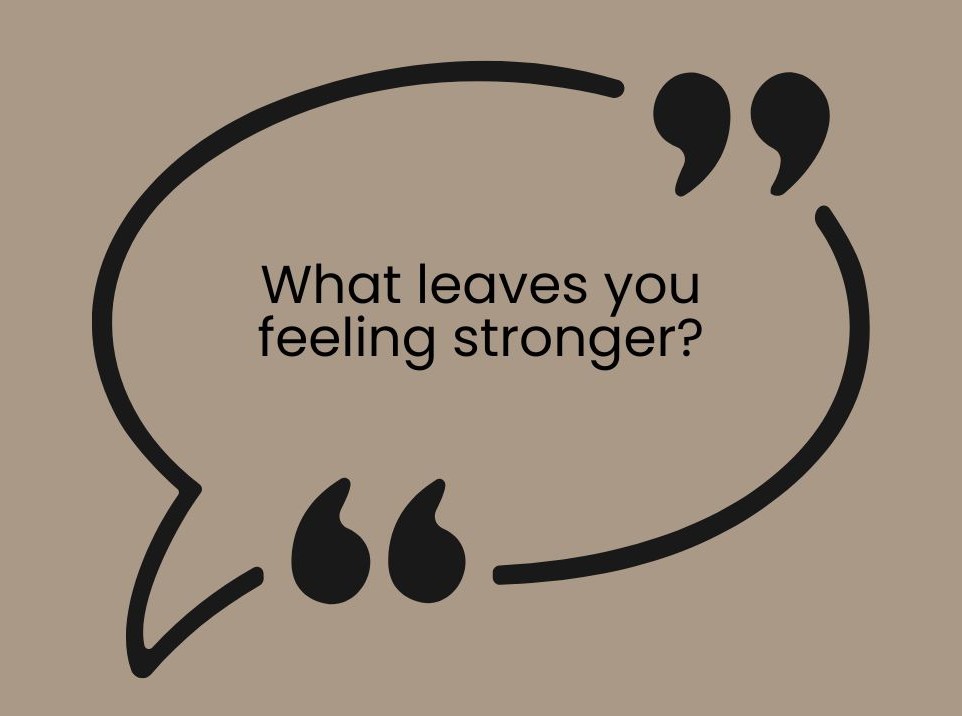
Not happier.

Not easier.

Not more successful.

Stronger.

✔️ What kinds of conversations leave you energized?

✔️ What problems do you love solving?

✔️ What work makes you lose track of time?

✔️ What activities leave you feeling more like yourself afterward?

Those clues matter.

Because the work you're meant to do often reveals itself less through performance and more through energy.

Less through achievement and more through engagement.

Less through external validation and more through internal resonance.

For many high achievers, this realization is incredibly freeing.

Because it explains why they've felt confused.

Why traditional advice hasn't helped.

Why they can be objectively successful and still feel disconnected.

When your zone of competence is large, performance is no longer a reliable guide.

You need a different compass.

And learning to trust that compass may be one of the most important career skills of the next decade.

Next week, I want to talk about another force that quietly shapes career decisions, especially during times of uncertainty:

The stories we carry from painful experiences at work.

Until then,

Melissa Palmer, MS, CPC

Career Planning Studio
Smart Design for Work You Love

Executive Career CoachConnect with me on LinkedIn!

www.careerplanningstudio.com

melissa@careerplanningstudio.com

469.615.7261

If this newsletter struck a nerve, you're not alone.

One of the most common conversations I have with accomplished professionals is helping them untangle the difference between what they're good at and what they're truly meant to build the next chapter of their career around.

If you're feeling successful on paper but unclear about what's next—or if you're trying to identify the work that leaves you feeling stronger, more energized, and more aligned—I'd be happy to help.

Click here to schedule a complimentary Career Strategy Conversation

No pressure. Just a thoughtful conversation about where you are and where you want to go next.

Follow the Series

The New Mid-Career Reality

  • Part 1 (June 9): Why Smart People Stay Too Long ← You are here

  • Part 2 (June 16): Walk Through the Fire. Just Don't Come Out Smelling Like Smoke

  • Part 3 (June 23): Stop Job Searching Like It's 2015

When Success Stops Being a Compass

One of the reasons so many accomplished professionals feel stuck is that they've outgrown the external measures they've always used to make decisions.

The next phase often requires a different set of questions.

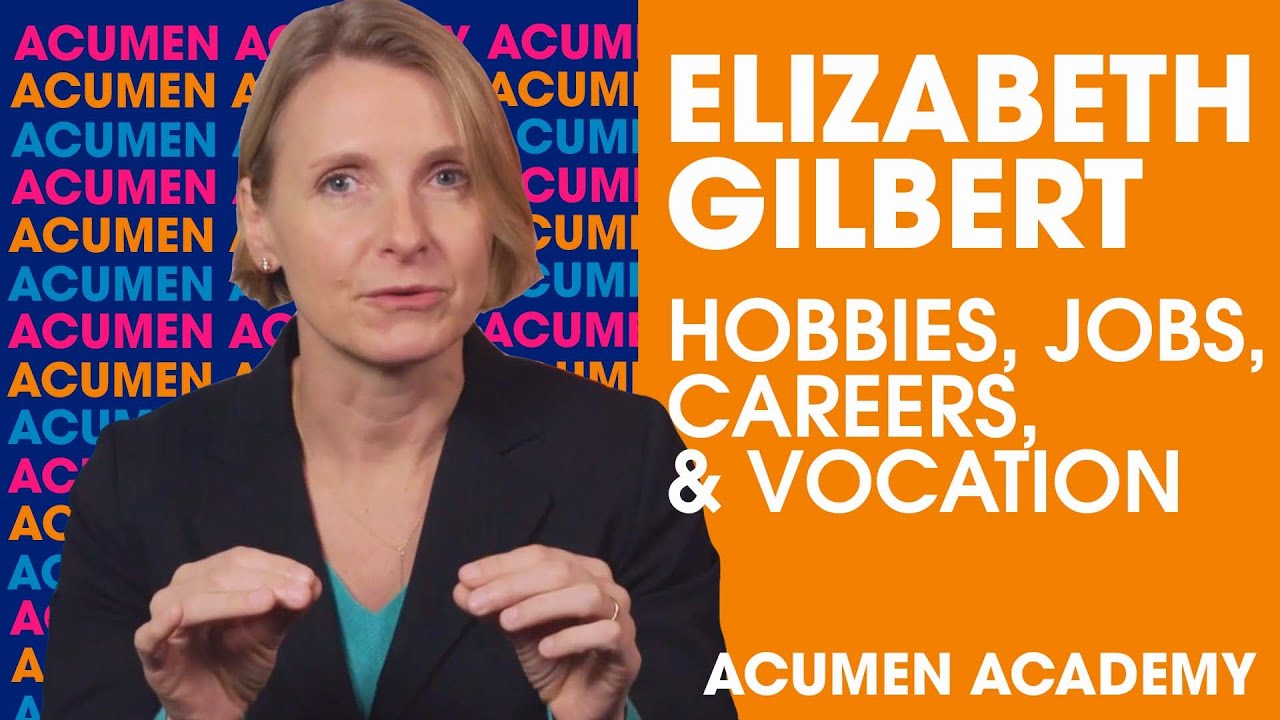
Elizabeth Gilbert, bestselling author of Eat Pray Love and Big Magic, has a wonderful perspective on this in a short video where she explores the differences between hobbies, jobs, careers, and vocation.

If today's newsletter resonated with you, I think you'll enjoy this:

Elizabeth Gilbert on Distinguishing Between Hobbies, Jobs, Careers, & Vocation

💕Share the love! 💕

If you know someone who is objectively successful but quietly wondering, "How did I end up here?" I'd be grateful if you'd share this newsletter with them.

Many high achievers spend years following external measures of success before realizing they need a different compass. Sometimes all it takes is the right idea at the right moment to help someone find their way forward.

We'd love to hear from you!

Reply with your comments!

If you enjoyed our newsletter, hit the forward button and share it with your friends.

Did someone share this with you?

Subscribe to our newsletter by clicking the button above.

Copyright © {{right_now.year}} Career Planning Studio, All rights reserved.

Our mailing address is:

3600 North Duke St, #1369, STE 1
Durham NC  27704


Our email is:

melissa@careerplanningstudio.com

Want to change how you receive these emails?
You can unsubscribe from this list