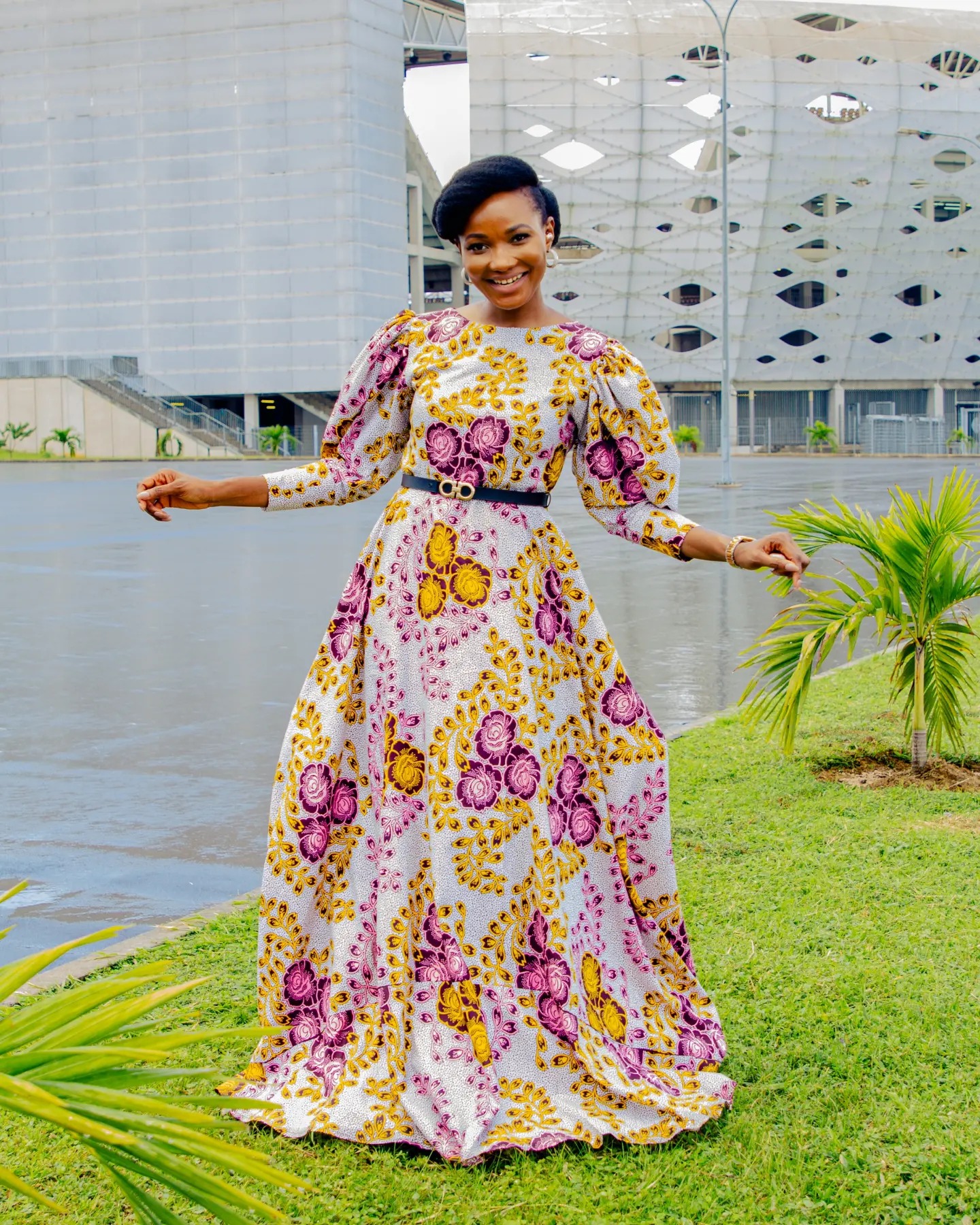
The recent conversation around the wearing of hair bonnets in public has stirred thoughtful questions, and I am most grateful for the perspectives you have shared. Your reflections invite us to look beyond the garment itself and consider the meaning of fashion, standards, effort, and values in our modern world. Allow me to share my thoughts with you.
Some have said that the bonnet is a protective device best reserved for the home, for sleep, or for chores and physical fitness. Others point out that in America, it has even taken on the role of defiance, a symbol of younger generations resisting being told how to present themselves. These observations are important, for they remind us that fashion has always been a canvas for expression, and at times, rebellion. From bobbed hair in the 1920s to jeans in the 1950s, the history of style is filled with examples that once shocked and later became ordinary.
Is the new fashion degrading or upgrading?
The answer lies in context. A bonnet in the privacy of one’s home speaks of care and comfort. Worn in public, some see it as a lowering of standards because it blurs the line between private and public attire. For others, it may represent cultural identity or convenience. Fashion is never absolute; its meaning is shaped by intention and setting.
Is it laziness or lack of effort?
We do live in an age of speed and ease. It is easy to mistake practicality for laziness, but in truth, some simply do not know alternative ways to present themselves. This is where role models and education in etiquette are so valuable. Making an effort does not need to be complicated, yet it can change how we feel and how others perceive us.
Have standards been lost for want of role models?
When traditions weaken and role models are absent, individuals can feel unanchored. Standards are not lost, but they require nurturing. Young women and men alike benefit from visible examples of elegance, dignity, and respect. If those examples are missing, the challenge lies not in blame, but in offering guidance and inspiration.
Is rebellion driving extremes?
Rebellion is natural to every generation. It can be creative, even liberating, but it risks sliding into extremes when it disregards values of respect and appropriateness. Refinement, I believe, comes not from rejecting rebellion, but from knowing when to adapt—when freedom of expression must give way to consideration of place, occasion, and others.
My friends, your thoughtful contributions remind us that etiquette is never static. It lives, it evolves, and it remains a dialogue between culture and society. Fashion should allow expression and individuality, yet always with a sense of balance—respect for context, respect for others, and awareness of the spaces we share.
Let us be leaders who show that one can be modern without losing standards, expressive without losing dignity, and free without being careless.