|
|
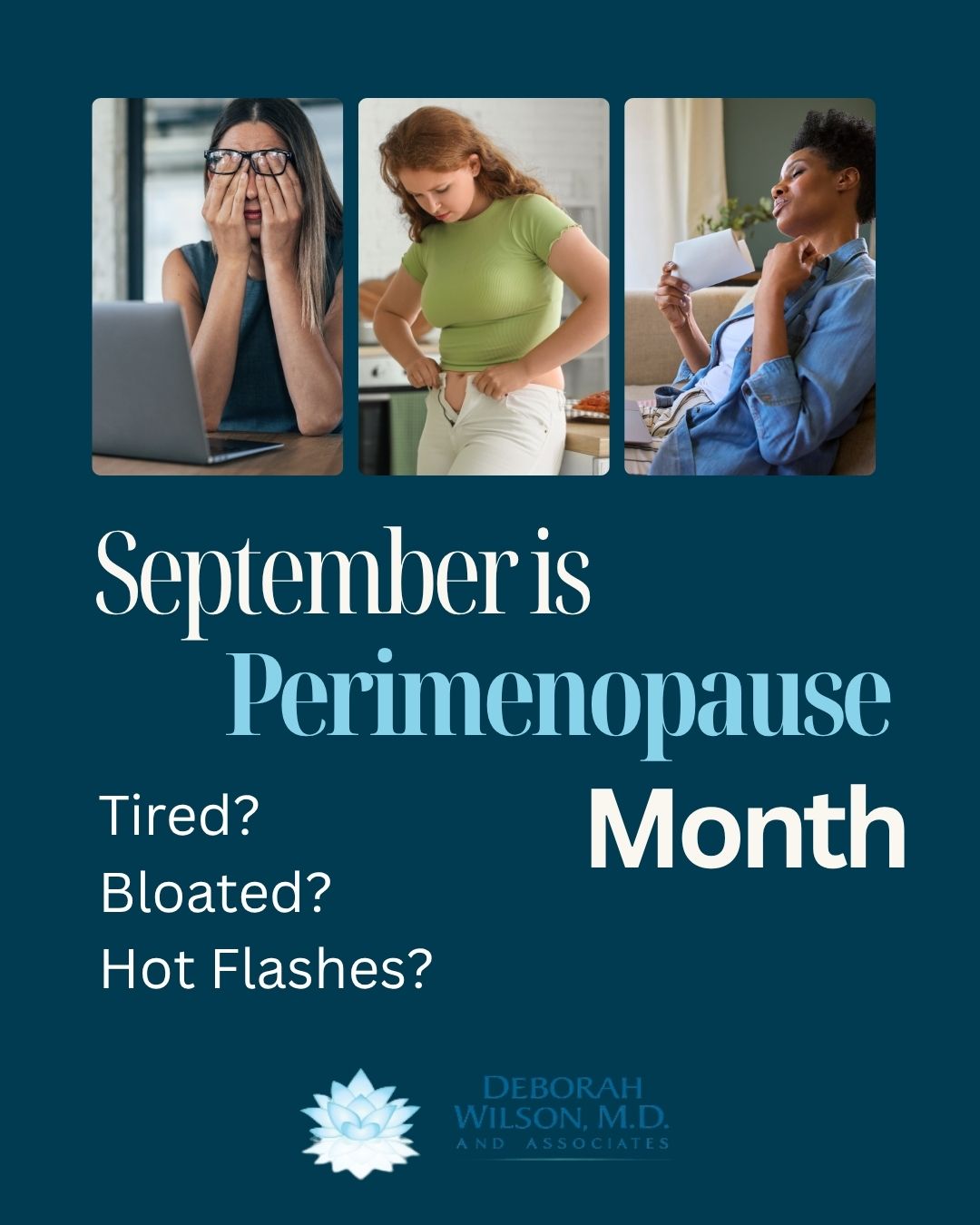
Perimenopause is the transitional stage leading up to menopause, and for many women, it can begin years before their period officially stops. Yet despite how common it is, many women are surprised by the symptoms and are not always told what to expect. During perimenopause, hormone levels can fluctuate significantly. These changes may cause symptoms such as irregular periods, hot flashes, night sweats, mood changes, anxiety, brain fog, sleep disruption, weight changes, low libido, vaginal dryness, and fatigue. For some women, symptoms are mild. For others, they can interfere with work, relationships, sleep, and overall quality of life. The important thing to know is that you do not have to simply “push through” these changes. Perimenopause is a real hormonal transition, and support is available. At Deborah Wilson, MD & Associates, our team takes a personalized approach to perimenopause and menopause care. We listen to your symptoms, review your health history, evaluate labs when appropriate, and discuss treatment options based on your individual needs and goals. Depending on the patient, this may include lifestyle support, non-hormonal options, vaginal hormone therapy, or Hormone Replacement Therapy. September is a good reminder to start the conversation. If you have been feeling unlike yourself, noticing new symptoms, or wondering whether hormones may be playing a role, now is the time to get answers. You deserve to feel heard, supported, and informed through every stage of your health. |
|
|
|
|
|
|
One of the greatest advances in healthcare has been the ability to communicate through a secure patient portal. It allows us to answer important questions, review results, refill appropriate medications, and address many concerns without requiring an office visit. We value this service and want to continue offering it to our patients. To do that, we need everyone's help using the portal appropriately. When the Portal Is the Right Choice The patient portal is best used for: Prescription refill requests Questions about recent test results Brief follow-up questions after a recent visit Non-urgent medical questions that can usually be answered in a few sentences Administrative requests such as forms or referrals
When the Portal Is Not the Best Choice The portal is not designed to replace an office visit or serve as an ongoing conversation. Please schedule an appointment if you have: A new medical problem Multiple concerns to discuss Symptoms that require an examination Questions that require a detailed review of your medical history or treatment options A condition that has become more complex or has not improved
Medical decision-making often requires a thoughtful review of your records, medications, laboratory results, and prior history. These conversations are best accomplished during an office visit, where we can give your concerns the time and attention they deserve. A Few Helpful Tips Please keep messages brief and focused on a single topic whenever possible. Avoid sending multiple messages about the same concern before we have had an opportunity to respond. For urgent symptoms, please call our office. For emergencies, call 911 or go to the nearest emergency department. Response times may be up to 2–3 business days, although we often reply sooner.
Why This Matters Every portal message is personally reviewed by our medical team. Many require chart review, medication reconciliation, review of laboratory and imaging studies, and clinical decision-making. While this work is an important part of your care, portal messages are not reimbursed by insurance. When patients use the portal as an ongoing chat or substitute for an office visit, it reduces the time available to care for all of our patients—including those with urgent medical needs. Our goal is to provide thoughtful, high-quality care to every patient. Using the portal appropriately helps us respond more efficiently, keep appointments available for those who need them, and continue offering this valuable service. Thank you for your understanding, your kindness, and your partnership in helping us provide exceptional care. ~ Deborah Wilson, MD & Team |
|
|
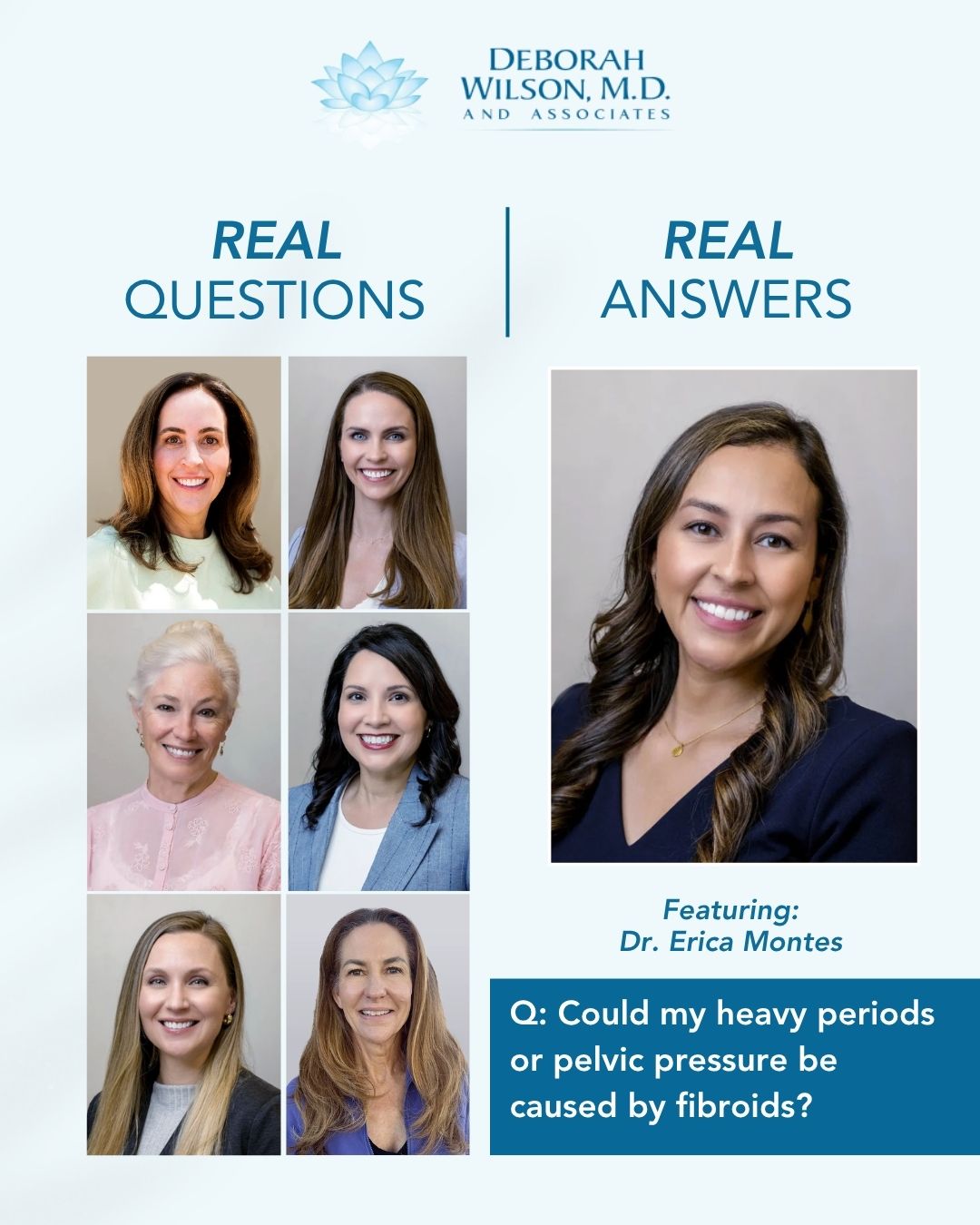
Q: Could my heavy periods or pelvic pressure be caused by fibroids? A: Did you know that up to 80% of women are affected by uterine fibroids? Uterine fibroids are noncancerous growths that develop in the uterus. While some women have no symptoms, others may experience heavy menstrual bleeding, pelvic pressure, frequent urination, constipation, or pain. Fibroids can range in size from as small as a seed to as large as a melon and may affect quality of life, fertility, or pregnancy in some cases. The good news is that many treatment options are available, ranging from medication to minimally invasive procedures and surgery. Keep in mind that fibroids don't disappear after menopause and can still cause symptoms, especially if you are using menopausal hormone therapy. If your periods are so heavy that they interfere with your daily activities, or if you’re experiencing persistent pelvic symptoms, it’s worth talking with us to see if fibroids could be the cause. A pelvic ultrasound can diagnose them, and depending on your history and clinical findings, we can recommend a treatment plan for you. Next time you are at the office, don't hesitate to ask about fibroids if you are experiencing any symptoms. ~ Erica Montes, MD |
|
|
|
|