The Historic Traveler Newsletter!
July 1, 2026

To Our Readers:

My friend Carol Cram, who is both a terrific historic novelist and the host of The Artsy Traveler, shares our love of travel paired with historic novels—however her site focuses on books that touch on some aspect of the arts. She also hosts a podcast. I encourage you to go on over and sign up for her posts and newsletter as well!

Meanwhile, she recently offered this resource guide on planning an arts-focused trip that I’d love to share with you!

Enjoy!

Jackie

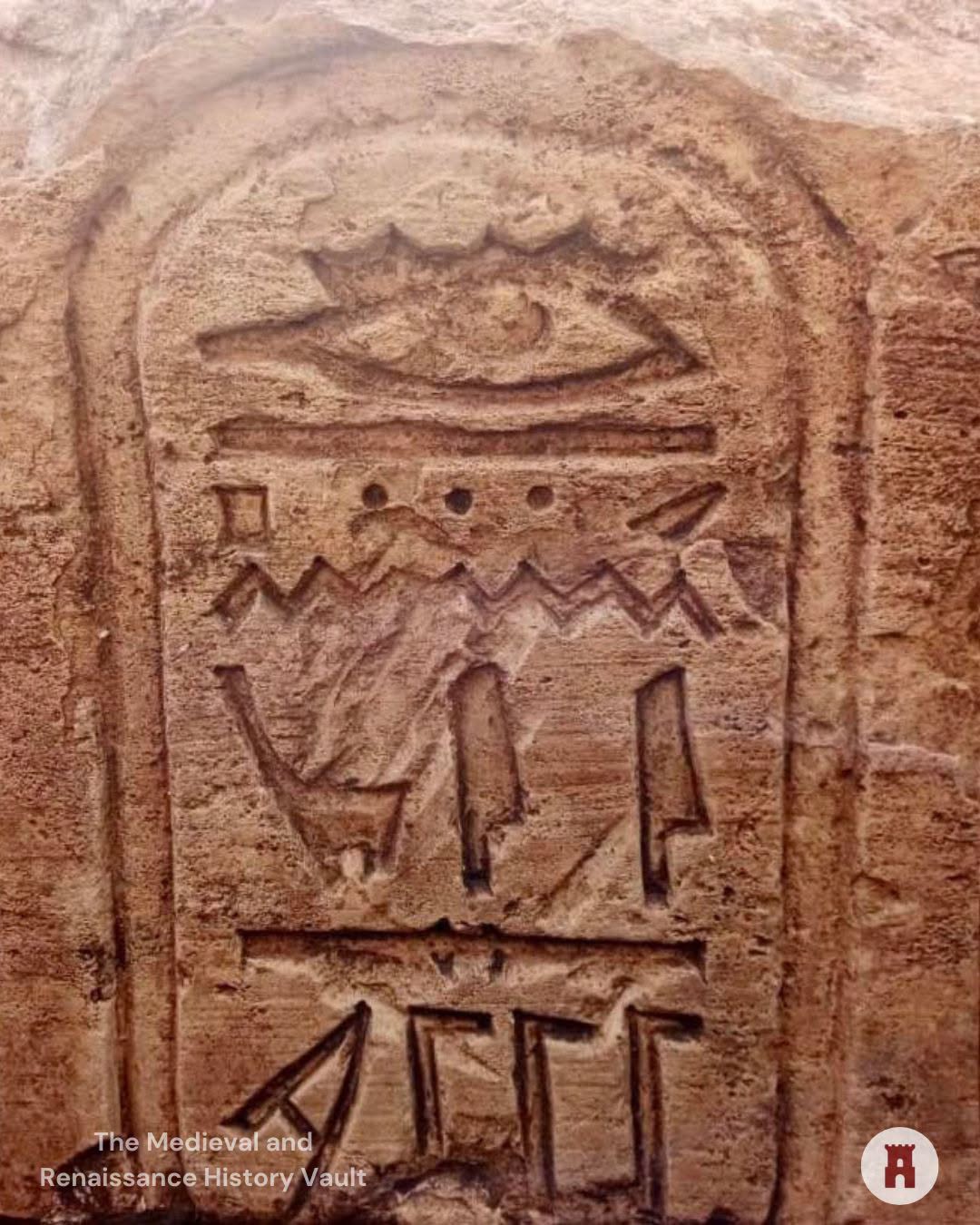
A centuries-old mosic map has helped archeologists identify what may be the long-lost Byzantine city hidden beneath the desert landscape near the Dead Sea in Jordan. Researchers believe the settlement is Tharais, a city marked on the famous Madaba Mosaic Map, on the of oldest surviving maps of the Holy Land.

Click here information and photos

A medieval settlement called Echene, absent from records since the 15th century, has reportedly been rediscovered near Borgentreich, Germany, during a pre-construction archaeological survey. Finds include timber house, pottery shards from the 10th and 11th centuries, and an impressive stone cellar.

Click here information and photos

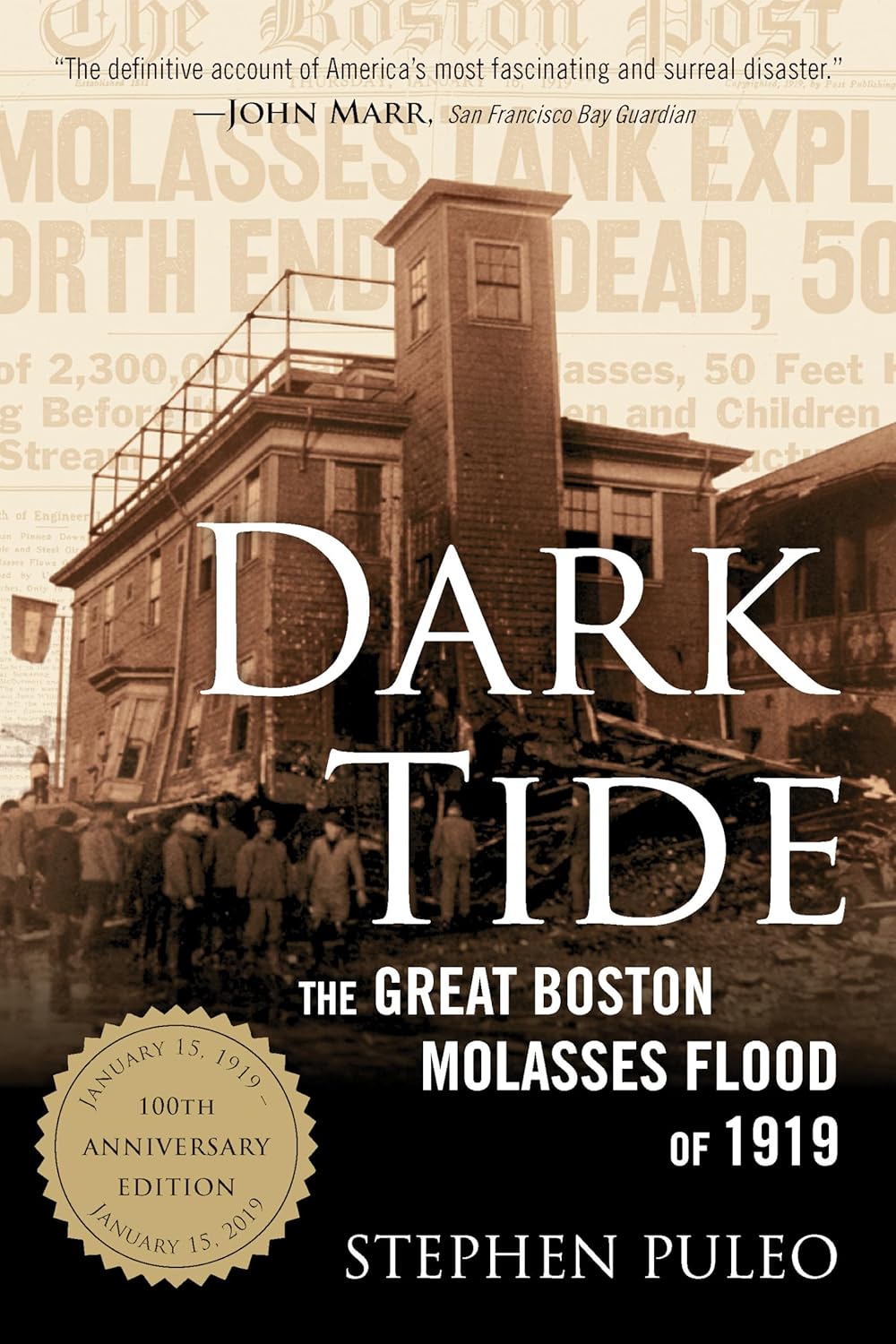
Dark Tide: The Great Boston Molasses Flood of 1919
by Stephen Puleo

Here is a slice of history long forgotten by even though who live in Boston, but revived through a compelling recounting that reads like a novel and an exciting courtroom drama.

Dark Tide: The Great Boston Molasses Flood of 1919 turns one of Boston’s strangest disasters into a gripping and deeply human work of narrative history. On January 15, 1919, a massive storage tank in the North End burst apart, sending more than two million gallons of molasses roaring through the streets. It killed 21 people, injured more than 150, crushed buildings, swept away horses and carts, and left one of Boston’s most historic immigrant neighborhoods in sticky, stunning ruin.

But Puleo wisely makes this more than a bizarre historical calamity. He reveals the larger forces behind it: corporate negligence, poor engineering, ignored warnings, immigrant vulnerability, and the feverish industrial pace of post–World War I America. The tank’s owner, United States Industrial Alcohol Company, tried to deflect blame, but the victims’ long legal battle became an important early fight for corporate accountability.

The book is especially vivid in its portrait of Boston’s North End, then a dense Italian immigrant neighborhood where working families lived in the shadow of waterfront industry. Puleo gives faces and voices to those caught in the flood’s path, making the tragedy feel immediate rather than merely odd. The people living in a house crushed beneath a train trestle, the family who watched their child smothered in molasses, the fire fighters face down in their collapsed fire house, the stone-cutter whose bones were shattered. Puleo’s pacing carries the reader from ominous warning signs to disaster, then onward into the courtroom struggle that followed.

And there you meet the Boston war hero returned from WWI Europe who was charged with determining the causality and the consequences—a decision that still reverberates today.

For historic travelers, Dark Tide is a marvelous reminder that cities hold their darker stories beneath the charm of their streets. It is part disaster story, part courtroom drama, part neighborhood portrait—and a highly recommended read for anyone who loves the little-known hidden pockets of history.

GET THE BOOK, AUDIOBOOK, and EBOOK

Here are a few articles you don’t want miss…

Lexington & Concord: Where the First Day of the Revolution Still Unfolds
Most battlefields ask you to imagine. Lexington and Concord don't have to. The green where seventy-seven militia members stood their ground is still the center of town. The road they fought along on the way back to Boston still bends and narrows the same way it did in 1775. The stone walls are still low enough to crouch behind. What makes this place so striking isn't the monuments — it's how little needs explaining once you're actually standing there.

Black Leaders at the Dawn of the Republic: Dr. Carlton Wilson Interview
Around 5,000 Black men fought for the Continental Army. Some crossed the Delaware with Washington. Some worked as spies behind enemy lines. Some bought their freedom with their service — and still weren't given it. As America marks 250 years, historian Dr. Carlton Wilson walks us through the names, the contradictions, and the courage that the founding story has never fully told.

Two New Perspectives on Early America
Traquair House is a living Scottish treasure steeped in royal history, Jacobite rebellion, and literary inspiration. Located near Innerleithen, this remarkable stately home invites visitors to explore centuries-old rooms, legendary Bear Gates, beautiful gardens, and even spend the night in historic luxury.

You can see them all at https://thehistorictraveler.com/blog

Jackie Lapin

Jackie Lapin is the Historic-Traveler-in-Chief at The Historic Traveler, a media outlet and membership community for history lovers offering article features, travel resources, and stunning photo galleries, alongside carefully curated recommendations for historical novels, history books, biographies, films, museums, and more that illuminate some of history’s most treasured stories. An avid historical reader herself, Jackie shares highlights from more than 500 destinations she has visited and photographed, presented through a quarterly e-magazine, website, newsletter, and the Historic Traveler International membership community—a dynamic network of like-minded travelers and readers.

P.S. Don’t forget to share the adventure! Forward this email to fellow history buffs and invite them to join our community or get them a gift membership here.

Follow Us on Social Media:

Copyright © {{right_now.year}}  {{location.name}}, All rights reserved.

Our e-mail address is:
{{location.email}}

Want to change how you receive these emails?
You can unsubscribe from this list.