There’s a quiet shift happening in workplaces right now.

Run Toward the Roar

by John Robertson of FORTLOG

Lion roaring

Stop Outsourcing Care

There’s a quiet shift happening in workplaces right now. Leaders are stretched. HR is stretched. Employees are stretched. And in that pressure, a subtle belief has crept in:

“People care is HR’s job.”

Most leaders wouldn’t say it that directly, but it shows up in how we respond, prioritize, and delegate. When care becomes something we hand off instead of live out, culture begins to drift. Not because we don’t care, but because care gets delegated instead of demonstrated.

And since February with Valentine’s Day brings a spotlight to relationships, here’s a simple question: What would happen if we focused on a relationship only one day a year? We’d never expect that to build connection at home, so why do we assume relationships and culture can grow that way at work?

This month is about reclaiming the simplicity of Being — how we show up, lead, and cultivate the environment around us.

What Culture Really Means

We use the word all the time, but the etymology is profoundly relevant for every area of our lives. “Culture” comes from Latin roots meaning "the cultivation or rearing of a crop, act of promoting growth in plants," using a variety of words that mean to till, tend, cultivate, guard, or promote growth.

Not a program. Not a policy. Not an HR initiative.

Culture is the systematic improvement of something that is tended and guarded over time — whether plants, people, or a workplace.

And the stakes are real:

  • Only 21% of employees worldwide are engaged.

  • Disengagement costs the global economy $8.8 trillion.

  • 34% report burnout.

Culture isn’t built in a binder. It’s built in the ordinary, the daily, the Tuesday afternoon moments that shape whether people feel seen or simply managed.

Plant growing in the dirt, with hands tending it

The Leadership Shift: From Leading to Leadering

If leadership is about tasks, targets, and timelines, then of course “people stuff” feels like something to delegate.

But if leadership is about influence, trust, and culture, then relationships and care cannot be outsourced. People are not a department. People are the work.

Which is why I’ve been using a word that clarifies the difference: Leadering. I will expand on leadering more next month.

  • Leadership is a title. Leadering is a verb.

  • Leadership sits on an org chart. Leadering shows up in conversations.

  • Leadership can be delegated. Leadering cannot.

Leadering is how you show up in the everyday, unglamorous moments, especially when things are hard.

Pressure Doesn’t Build Character — It Reveals It

Think of the hot water–tea bag metaphor: the water doesn’t create what’s inside; it reveals it.

Pressure does the same to leaders. When things go sideways, pressure reveals:

  • patience or irritation

  • curiosity or control

  • presence or policy

Not perfection — just what’s really there. Culture begins when someone pauses long enough to ask: “Who do I want to be in this moment?”

The Outsourcing Trap

A CEO recently told me, “HR needs to be at the executive table because it’s all about the people.” True, and HR is invaluable. But the danger is when “It’s about the people” quietly becomes “HR will handle the people.”

But people are the business. Culture isn’t built in policy manuals. Culture is grown in conversations. Leaders till, tend, cultivate, and guard culture, especially under pressure.

Small Moments. Real Impact.

This isn’t about adding more to your plate. It’s about how you carry what’s already there.

Three practical examples:

1. Don’t hand off culture -- tend, cultivate, guard it.  How you speak, listen, respond, and repair teaches everyone how this place works. 

2. Let pressure reveal your values — on purpose. Before reacting, take a breath to set the tone, not the temperature.

3. Have the human conversation before the formal one. Policies matter. Accountability matters. But trust is built before policy is quoted. Sometimes leadering sounds like: “I noticed something seemed off, how are you doing?”

Because Culture Is Formed in the Ordinary

Culture isn’t shaped by slogans or retreats. It’s shaped by every interaction:  Does this workplace feel like a place where I’m seen? Or simply managed?

When leaders show care, clarity, and courage in small moments, trust deepens and growth becomes possible — not because HR drove it, but because leaders lived it.

Three Ways to Practice Leadering This Month

  • It’s not about needing more time; it’s about how you greet someone.

  • It’s not about a new program; it’s about how you and I handle frustration.

  • It’s not about another leadership book; it’s about how you and I talk about people.

Culture is tended, cultivated, guarded — and it cannot be outsourced.

If you influence people and we all do, you influence culture. And you have the opportunity to help create a place where people thrive.

Next Steps: Reflection Questions

[Available for you to use or share as a PDF below]

You don’t need a new program to stop outsourcing care. I believe you simply need the encouragement to define a simple way to practice leadering on purpose.

Here’s a 4-A reflection you can use this month. However, please remember that 

To comment before connecting gets heard as criticism.

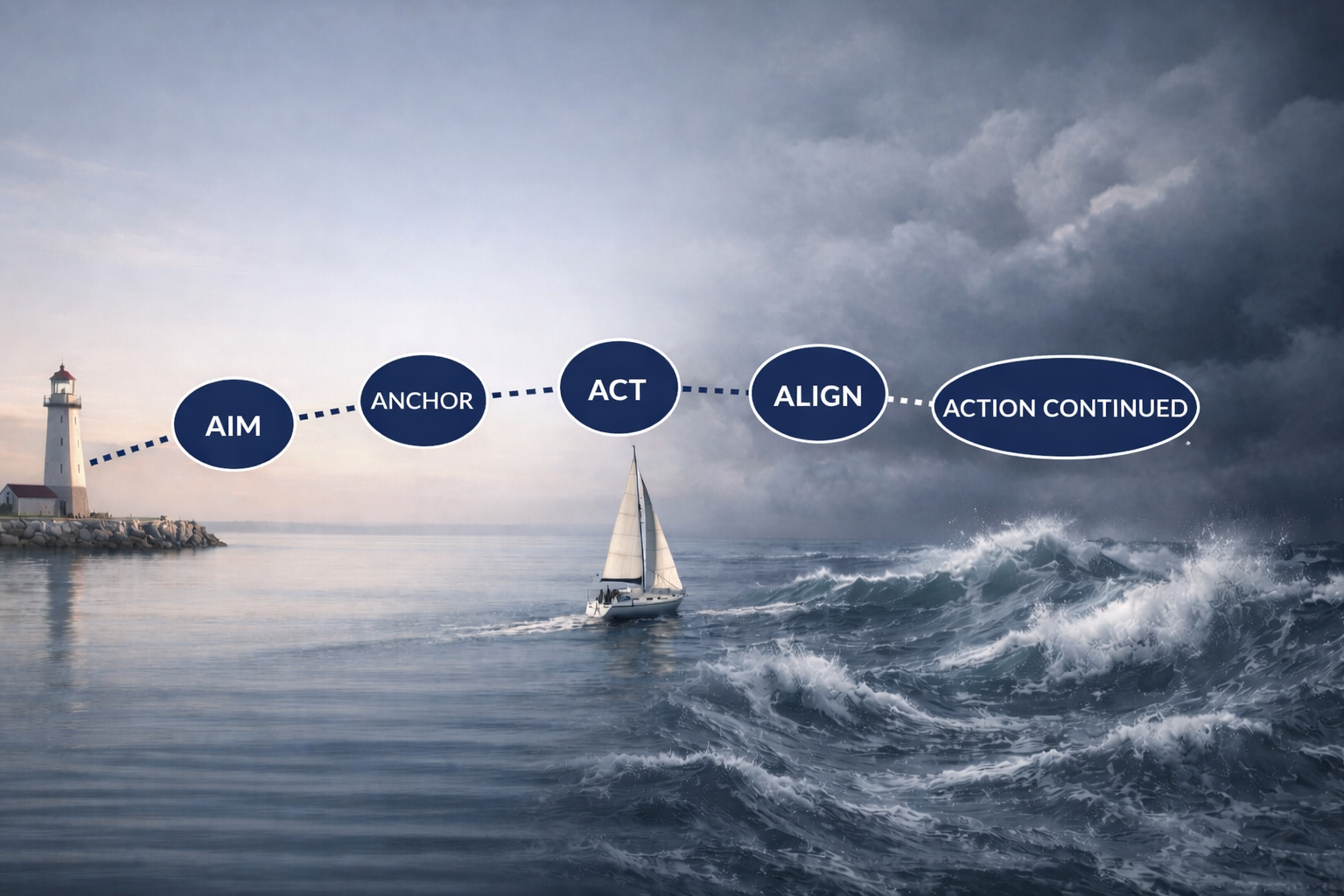
The 4 A's with a boat sailing into a storm

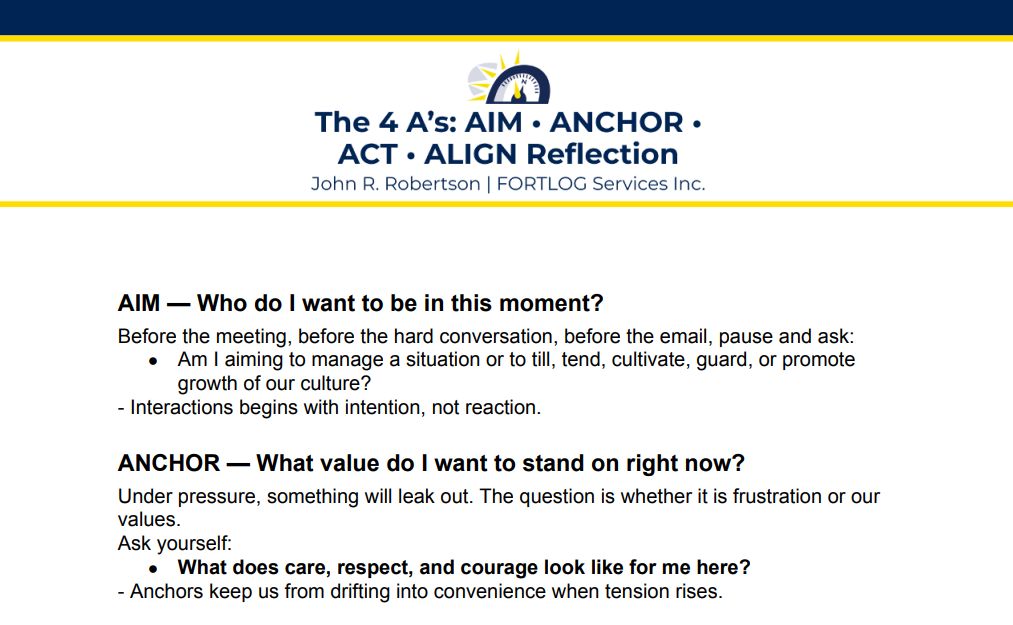
AIM — Who do I want to be in this moment?

Before the meeting, before the hard conversation, before the email, pause and ask:

  • Am I aiming to manage a situation or to till, tend, cultivate, guard, or promote growth of our culture?

- Interactions begins with intention, not reaction.

ANCHOR — What value do I want to stand on right now?

Under pressure, something will leak out. The question is whether it is frustration or our values.

Ask yourself:

  • What does care, respect, and courage look like for me here?

- Anchors keep us from drifting into convenience when tension rises.

ACT — What is one caring action I can take?

Not a grand gesture, just a human one.

  • A check-in before the correction

  • A breath before the reaction

  • A question before the policy

- Culture gets tilled, tended, cultivated, guarded, or promoted in small actions, not big speeches.

ALIGN — Did my response match who I say I am?

After the moment passes, ask and verify:

  • Did my behavior align with my I AM… or just my I HAVE role?

- Alignment is how culture is cultivated over time. One consistent moment at a time.

Final Two Questions for you to ponder:

  • Where have you quietly outsourced care instead of owning the conversation?

  • When pressure hit last week, what leaked out of you — calm or control?

Preview of 4 A's Reflection Worksheet

A Practical Resource for You

I'd love to give you a free PDF outlining the 4 A's exercise above. This will help you keep this process readily available as you apply this in your leadership. Please feel free to share this with your team or others who might benefit from it.

Get a copy here

Dive Deeper

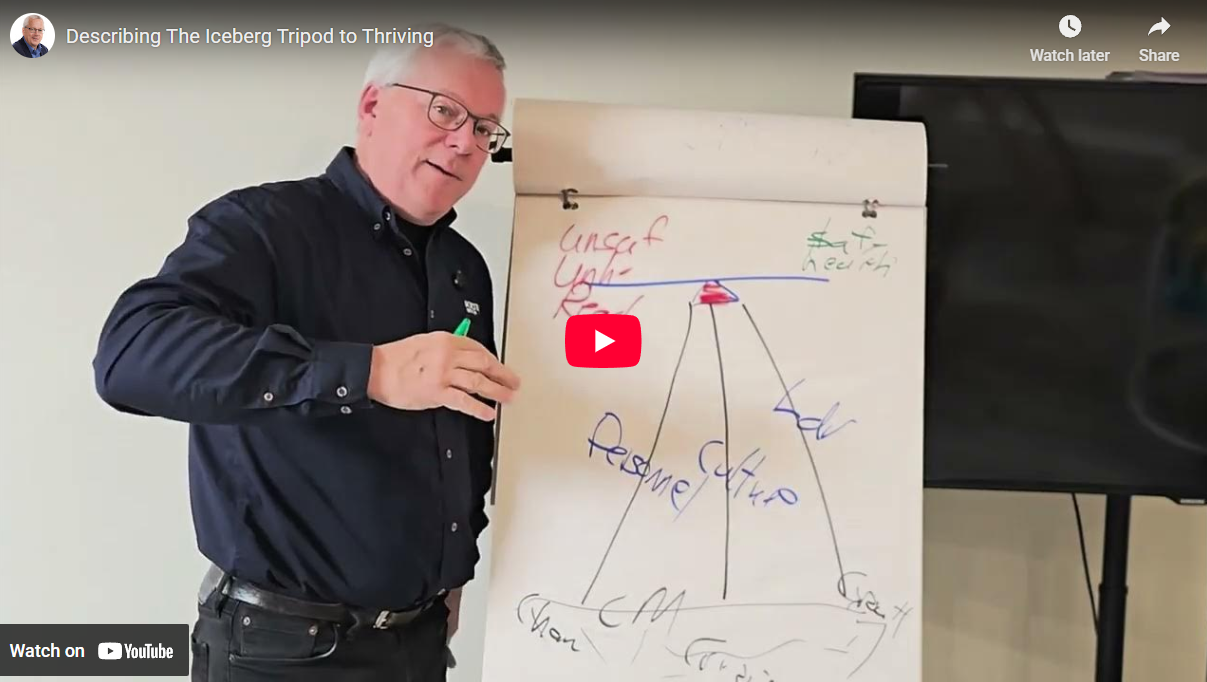
This teaching video explores one of the core concepts I use when I'm speaking or coaching - the tripod method.

My speaking is focused on encouraging and equipping leaders to face pressure with clarity and character — helping them transform critical moments (SHIFTRAP®), become trusted “I AM” leaders, thrive by using my Run Toward the Roar approach, and strengthen culture through Relational Currency. Leaders leave with practical ways to lead when it matters most.

This video will help you identify what is actually causing the issues your team is facing and change the way you approach your organization.

Copyright © {{right_now.year}} {{location.name}}, All rights reserved.

Our e-mail address is:
{{location.email}}

My values and focus are about being an encouragement. Not working for you?
You can unsubscribe from this list.