|
|
KERDI-LINE-VARIO is a variable length linear drain for tiled showers. The brushed stainless steel channel can be cut onsite to fit various shower sizes. |
|
|
Leveraging Durability, Longevity, and Adaptive Reuse to Position Tile & Stone at the Heart of Circular Design by Scott Conwell, FAIA, International Masonry Institute Circularity is becoming the new buzzword in the design and construction industry in the context of reducing our carbon footprint by designing for durability and versatility. Circularity may be defined as a design principle emphasizing reuse, resource efficiency, and waste prevention throughout a building’s life. Some common practices that promote circularity include using recycled building materials or materials that have recycled content, and implementing take-back programs, also known as EPRs, or extended producer responsibilities, which require manufacturers to take responsibility for their products throughout a building’s life cycle, particularly in the post-consumer disposal stage. Additionally, adaptively reusing buildings that have reached functional obsolescence, i.e. converting them to another use instead of demolishing or abandoning them, is key to achieving circularity. One factor in successful adaptive reuse is the durability of the original materials, especially floor finishes. Materials like ceramic tile and natural stone are uniquely suited for a building’s second (or third) life. Unlike many flooring systems that wear out, delaminate, or require full replacement, tile and stone can remain serviceable for decades. When a building is repurposed, for example Chicago’s Old Post Office turned new office building (pictured below), these finishes frequently carry forward with minimal intervention. In this building’s case, the preservation of the existing tile and stone was a no brainer, resulting in minimal demolition, minimal patching or replacement, reduced material waste, and lower embodied carbon from new products. Durability is often discussed in terms of maintenance and lifecycle cost, but it also plays a critical role in circular construction. Materials that last for generations make it easier to keep buildings in service and out of landfills. It’s a reminder that the work of skilled craftworkers and contractors today doesn’t just serve the current building—it can help shape the next life of that building as well. TCAA and IMI are working with Tile Council of North America (TCNA), Natural Stone Institute (NSI), and others to provide ongoing guidance on how durable materials like tile and stone contribute to a project’s circularity goals. If you’re attending Coverings this month, you’re invited to attend our panel discussion on this topic Monday March 30, 2026 at 12:30pm PDT in the North Hall of the Las Vegas Convention Center, room N250. Register for Coverings for free at https://registration.experientevent.com/showTIL261/?VIP=IMI26 with the promo code IMI26. |
|
|
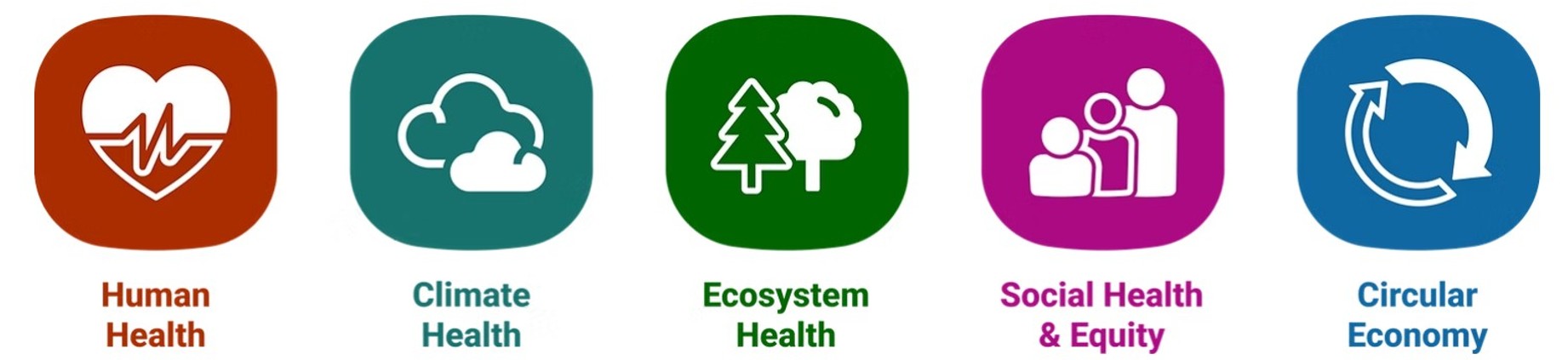
Fig. 1. Circularity is one of the 5 core impact areas in the Common Materials Framework recognized by many sustainability standards and rating programs including Mindful Materials, AIA Materials Pledge, and LEED v5. |
|
|
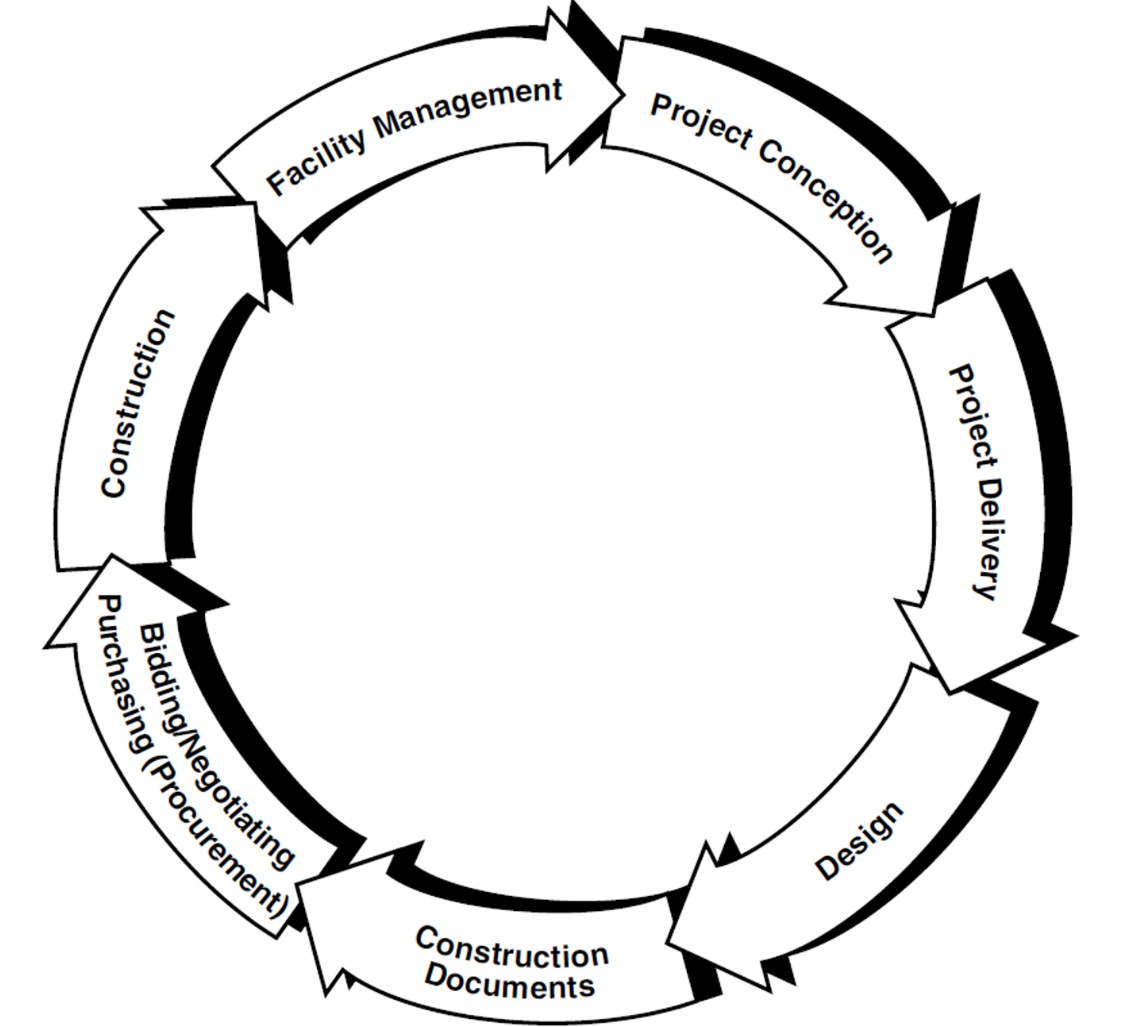
Fig. 2. Circularity promotes repurposing buildings and materials rather than abandoning or deconstructing them when they have become functionally obsolete. |
|
|
Fig. 3. An example of adaptive reuse is the conversion of the Old Chicago Post Office built in the 1920s to a modern office building. The conversion retained the original tile and stone in the lobbies and corridors. |
|
|
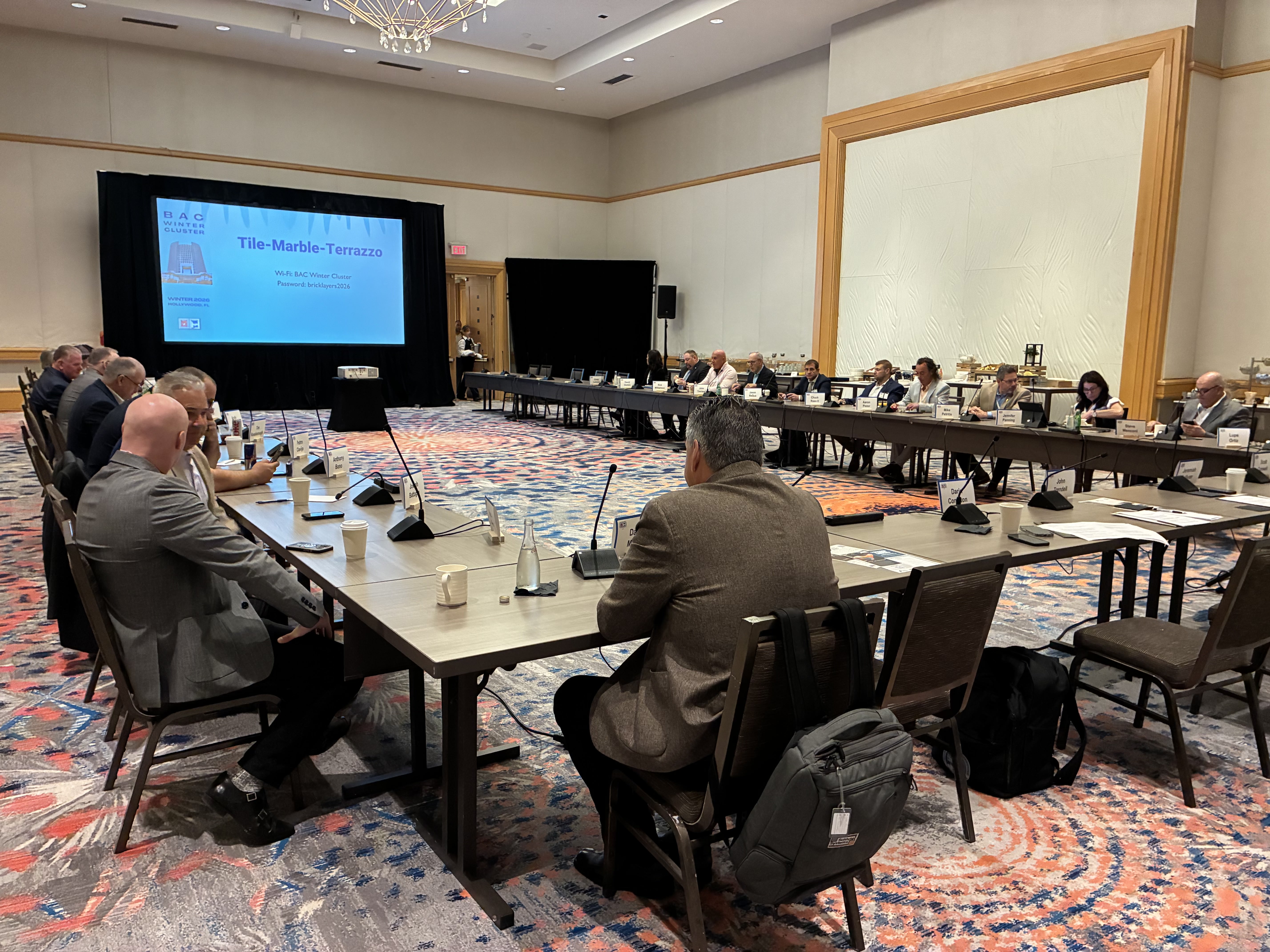
TCAA Board Update: February Activities and Industry EngagementIn early February, TCAA partnered with the International Masonry Institute (IMI) to host an ACT orientation program with BAC Local 1 WA/AK in Seattle. Fifteen journeyperson tilesetters participated alongside union leadership and TCAA contractor member Western Tile & Marble. The program, led by IMI Western Regional Training Director Lupe Ortiz, reviewed key industry standards including TCNA and ANSI and provided guidance on ACT testing and installation mockups. The session was highly engaging, and several participants have already successfully completed the ACT test. The success of this orientation has prompted discussions about expanding similar training opportunities in other regions. TCAA also participated in the IUBAC Winter Meetings in Hollywood, Florida, where labor and management leaders gathered to discuss industry issues and collaboration. Representatives from the Tile and Marble Contractors (TMT) Committee included Jennifer Panning (Artisan Tile), Kevin Trevisan (Roman Mosaic), Molly Nation (TCAA), and John Trendell (TCAA). The meetings resulted in commitments for new TCAA memberships from contractors in Las Vegas and Cleveland, as well as progress toward incorporating the 2-Cents program into upcoming labor negotiations in Detroit. Looking ahead, several important industry events are scheduled. The IMI Trustee Retreat will take place in March in Monterey, California, where organizational priorities for the next three to five years will be discussed. Coverings will be held March 30–April 2 in Las Vegas, with the ANSI meeting scheduled for March 29. Later in the year, IMI and TCAA are planning “Build It Better: Commercial Construction Forum” programs in Chicago (September 24) and Detroit (October 15), more details to come. Additional industry events include the TCNA Handbook meeting in Dallas in June, the Flooring Sustainability Summit in Washington, DC in July, and Tile Solutions Plus (TSP) in Miami Beach from November 1–3. Overall, TCAA has had a strong start to the year with successful training initiatives, new membership commitments, and a robust calendar of upcoming programs supporting industry education, workforce development, and collaboration. |
|
|
|
|
Winter Thoughts and ObservationsIt certainly has been a cold and very wintry winter this year. Even here in Florida! Yes, I know, no one is going to feel sorry for someone who spends the winters in the sunshine state. But there was a lot more “indoors time” than usual this year. I had more time to read and catch up on ceramic tile industry news and issues. I also attended the International Union of Bricklayers and Allied Craftworkers (IUBAC) winter meetings. Probably the biggest change coming down the pike has been the proliferation of Artificial Intelligence (AI). The takeaways I have found so far are, one, office chores such as project bidding, material buyouts, material sampling, and back-office administration have been helped immensely by AI. And two, AI is not coming after masonry workers! The people doing the work are still in high demand. That’s why the training and education provided by the International Masonry Institute (IMI) is as important as ever. Our signatory contractors have available to them the best trained and safest workforce in the business. One of the presentations at the winter meetings highlighted the success of two ceramic tile construction companies doing almost exclusively residential work. Sandya Dandamudi, President, GI Stone of Chicago and Ryan Jones, Owner, Set N Stone Tile & Marble of Las Vegas provided insights into their “secrets” to success. In both cases they emphasized a customer first, true partnership attitude. Investing their time with the owners and designers of a project added value that the customers appreciated and compensated the companies. I thought the best quote of the day was “put your arrogance aside”. Yes, we all are professionals that know our business but knowing our customers is just as important, Dan Marvin, Director of Product Standards and Sustainability for Schluter Systems, provided insights into practical sustainability for ceramic tile companies. He talked about health, environmental, and product declarations. He also provided information on life cycles cost for ceramic tile installations. Demonstrating that ceramic tile is one of the best long-term values in the building industry. Dan emphasized that sustainability in products and product installation is not a fad and is not going away. He also stressed that working with owners, architects and designers is important, “if you’re not at the table you are on the table”. While we are all so very busy with daily tasks and constantly “putting out fires” we need to understand that customers, qualified labor, and an understanding of what the future of the industry might hold for us, will be what our future success will be built upon. -John Trendell, TCAA Labor Committee Chair |
|
|
|
|
|
|