SUPPLEMENT SPOTLIGHT
Curcumin Increases Beneficial Butyrate-Producing Gut Bacteria
Obesity is a complex disease state with an undeniable connection to the gut and its microbial residents. Unsurprisingly, the gut microbiota is abnormal in obese people and fluctuates with the introduction of dietary changes and weight loss. One strategy for improving metabolic health may be to increase butyrate-producing bacteria. The short-chain fatty acid butyrate is the major product of bacterial fermentation of dietary fiber and is reputed to have positive effects on body weight control and insulin sensitivity.
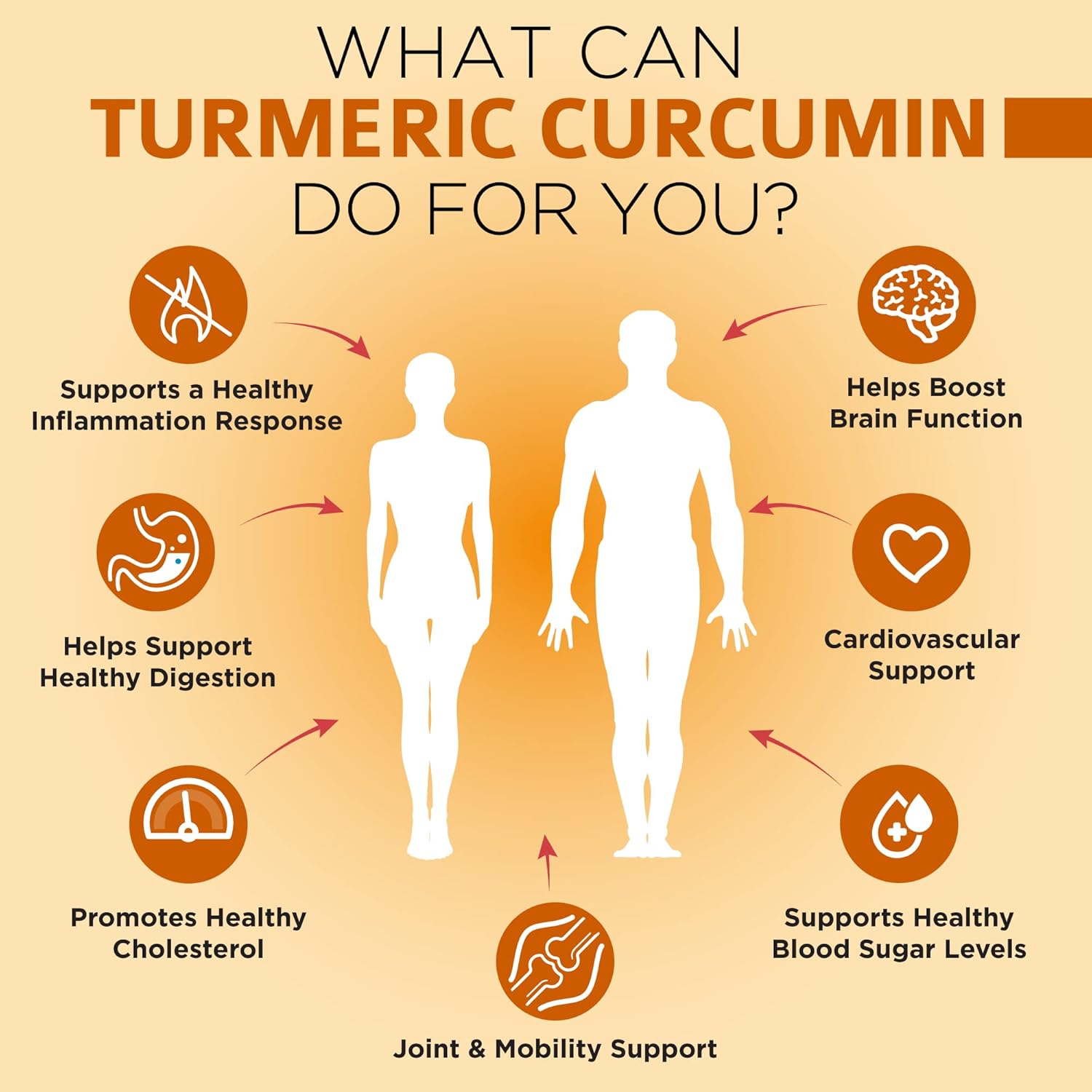
Curcumin, a bioactive polyphenol derived from Curcuma longa (turmeric), has well-known and well-established antioxidant and anti-inflammatory properties. However, emerging evidence is accumulating that it also has beneficial effects on the gut and can modulate its bacterial populations whose effects extend downstream from the many gut-axes.
This randomized, double-blind, placebo-controlled trial evaluated the effect of daily curcumin supplementation on gut taxa and increases in butyrogenic bacteria population in 80 obese people following a weight-loss diet. Participants (aged 18-50) were randomized to receive either curcumin (500 mg twice daily) or placebo for eight weeks. In addition, all participants followed a 500-calorie deficit diet and standardized 25 g/day fiber intake. Anthropometric measures including weight, waist circumference (WC), and BMI, and bacterial fecal samples were taken at baseline and at the end of eight weeks.
Weight and WC significantly decreased in both groups at the end of the trial compared to baseline and there were no differences between the two groups. However, after eight weeks of supplementation, a significant difference was observed in key bacterial populations between the two groups. Bacteroidetes populations significantly increased in the curcumin group compared to the baseline values, while Actinobacteria populations significantly decreased in the placebo group compared to baseline. The population of Fecalibacterium prausnitzii, the most abundant butyrate-producing bacteria in the gut and a significant indicator of gut health, was significantly different between the two groups at the end: decreasing in the placebo group and increasing in the curcumin group.
Overall, this study showed that 500 mg curcumin supplementation twice daily increased the population of Bacteroidetes and butyrogenic bacteria in the gut of people with obesity following a weight-loss diet. The F. prausnitzii population, a butyrogenic bacterium, increased in the curcumin-supplemented group. Curcumin also prevented the decrease in the gut Actinobacteria population after dieting. Taken together this data suggests curcumin supplementation may help in rebuilding the gut microbiota after weight loss by encouraging the growth of key metabolite-producing species.
To ensure you get Fury member pricing (25% off all retail prices) from Thorne, email jordan@crossfitfury.com to be added to the client list. When purchased through Momentous, use code crossfitfury to get 14% retail prices.