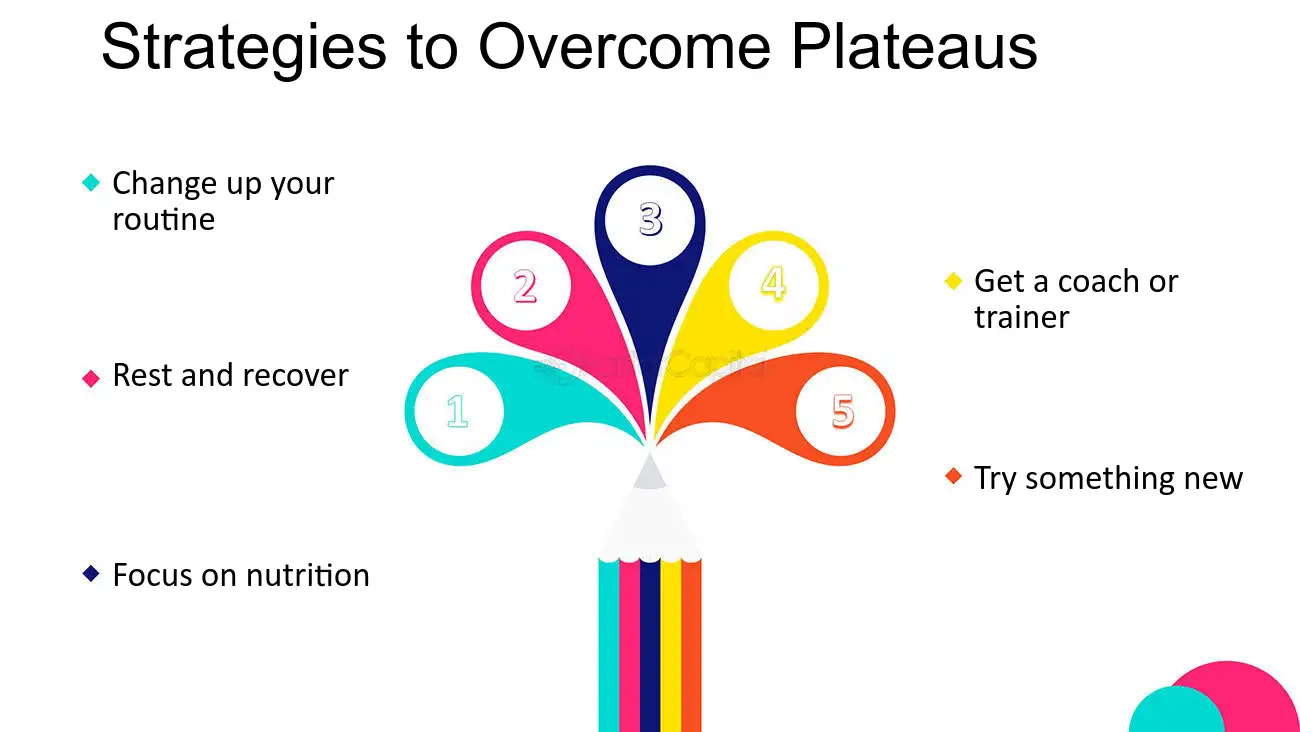
Strategies to Overcome CrossFit Plateaus
1. Change Up Your Routine
Introduce variety into your training sessions. The CrossFit mantra of “constantly varied” means you have endless options to switch things up.
Try New Movements: If you’re stuck with deadlifts, focus on front squats or kettlebell swings.
Adjust Rep Schemes: Shift between high-rep, low-weight sessions and low-rep, high-weight sessions to challenge your muscles differently.
Incorporate Skills Training: Spend time improving gymnastic movements like pull-ups or handstands, which demand both strength and coordination.
2. Prioritize Recovery
Recovery is where the magic happens. To overcome plateaus, give your body the rest it needs to rebuild and grow stronger.
Sleep: Aim for 7–9 hours per night to allow your body to repair tissues and replenish energy stores.
Active Recovery Days: Incorporate low-intensity activities like yoga, swimming, or walking to keep your body moving without overloading it.
Stretch and Mobilize: Dedicate time to stretching or foam rolling after workouts to improve flexibility and reduce soreness.
3. Focus on Nutrition
Your diet directly affects your performance and recovery. To break through plateaus, ensure you’re eating to fuel your workouts.
Increase Protein Intake: Protein supports muscle repair and growth. Include lean sources like chicken, fish, or plant-based proteins.
Stay Hydrated: Dehydration can impair performance, so drink plenty of water throughout the day.
Time Your Meals: Eating a balanced meal or snack with carbs and protein before and after workouts can optimize energy levels and recovery.
Consider Supplements: If needed, consult a professional to determine if supplements like creatine or BCAAs can enhance your progress.
4. Work on Your Weaknesses
Often, plateaus occur because we avoid areas where we struggle. Addressing weaknesses is uncomfortable but essential for growth.
Identify Weak Points: Keep a journal of your workouts to track exercises where you consistently underperform.
Create a Plan: Dedicate specific training days to improving weak areas, whether it’s running, rowing, or complex lifts.
Seek Guidance: Work with a coach or experienced training partner to refine your technique and build confidence in challenging movements.
5. Set SMART Goals
Goals give your training focus and direction. Without clear objectives, it’s easy to feel adrift during a plateau.
Specific: Define exactly what you want to achieve, like a 10% increase in your squat weight.
Measurable: Track progress with metrics like time, weight, or reps.
Achievable: Set realistic goals based on your current fitness level.
Relevant: Align goals with your overall CrossFit journey.
Time-Bound: Create a timeline to maintain urgency and accountability.
6. Embrace Mental Toughness
CrossFit is as much a mental challenge as a physical one. Cultivating mental resilience helps you push through tough workouts and plateaus.
Visualize Success: Picture yourself completing a challenging WOD (Workout of the Day) or achieving a PR (personal record).
Focus on Small Wins: Celebrate progress, no matter how minor. Every step forward is a victory.
Stay Positive: Replace negative self-talk with encouragement and affirmations.
Practice Mindfulness: Techniques like deep breathing or meditation can help reduce stress and improve focus during workouts.
7. Seek Professional Guidance
Sometimes, an outside perspective is needed. A CrossFit coach can help identify areas for improvement and offer personalized advice.
Form Checks: Coaches can ensure you’re performing movements correctly to prevent injuries and maximize efficiency.
Customized Programming: A tailored plan can address specific goals or challenges, breaking through plateaus.
Motivation and Accountability: Having a coach keeps you accountable and motivated to stay consistent.
8. Track Progress Regularly
Plateaus can feel frustrating, but tracking progress helps you see the bigger picture.
Keep a Training Log: Record weights, reps, times, and other key metrics to monitor improvement over time.
Reassess Goals: Periodically revisit your goals to ensure they align with your progress and capabilities.
Acknowledge Growth: Recognize the strides you’ve made, even if they seem small.
Plateaus are a natural part of your CrossFit journey, but they’re not permanent. By making small, intentional changes—one session at a time—you can push past stagnation and reach new levels of performance. Progress won’t always be linear, but with perseverance, proper recovery, and the right mindset, you’ll keep building strength, endurance, and overall health. Better health is a lifelong commitment, and every step forward brings you closer to your goals. Stay focused, stay patient, and trust the process—you’ve got this.