Quarterly Flush: Your #1 Source for #2 News - Stuart Coleman, Executive Director

“E mālama i ka wai.” Care for the water.

ʻŌlelo Noʻeau: Hawaiian Proverbs & Poetical Sayings

This quarter, WAI continued advancing innovative, community-centered solutions to Hawaiʻi’s wastewater challenges while strengthening partnerships across the islands. We joined partners to unveil the Honu Hub, an innovative decentralized wastewater system designed for communities where conventional infrastructure can be challenging. Our Work-4-Water program welcomed 35 participants to its Fall 2026 cohort, preparing the next generation of water and wastewater professionals for careers and apprenticeships in Hawaiʻi. We also continue seeking OJT and apprenticeship partners. Our Water Quality team expanded monitoring and research on Oʻahu and Kauaʻi, including a dye tracer study at Kapoʻo (Sharks Cove) and new North Shore sensors to better understand wastewater impacts on coastal waters.Meanwhile, the HiRME Collective advanced community-based RME planning, governance, technical capacity, and long-term financing strategies across Maui, Molokaʻi, and Hawaiʻi Island. Together, these efforts are helping build cleaner water, stronger communities, and sustainable wastewater solutions for Hawaiʻi.

Honu Hub: Rethinking Decentralized Wastewater

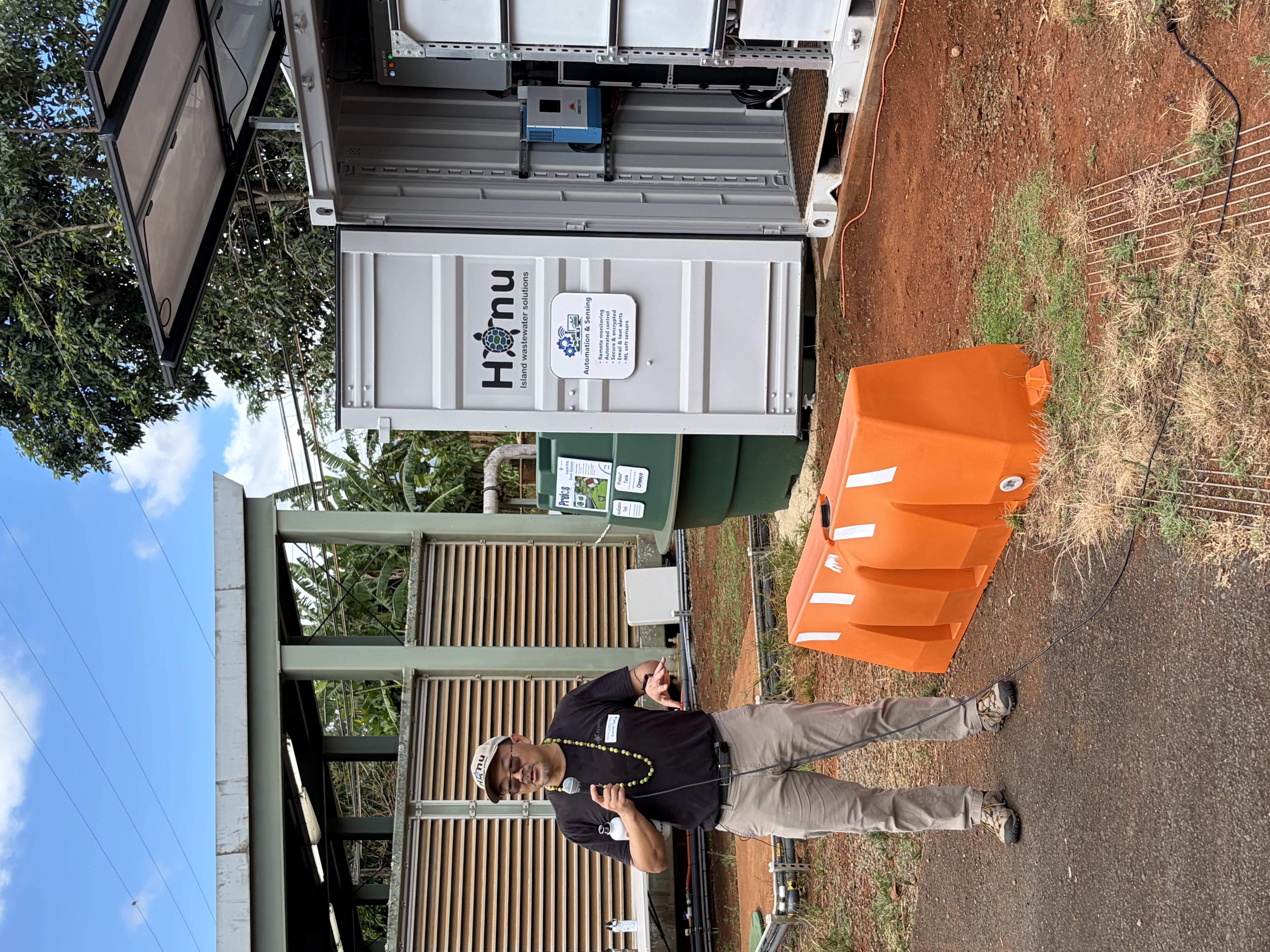
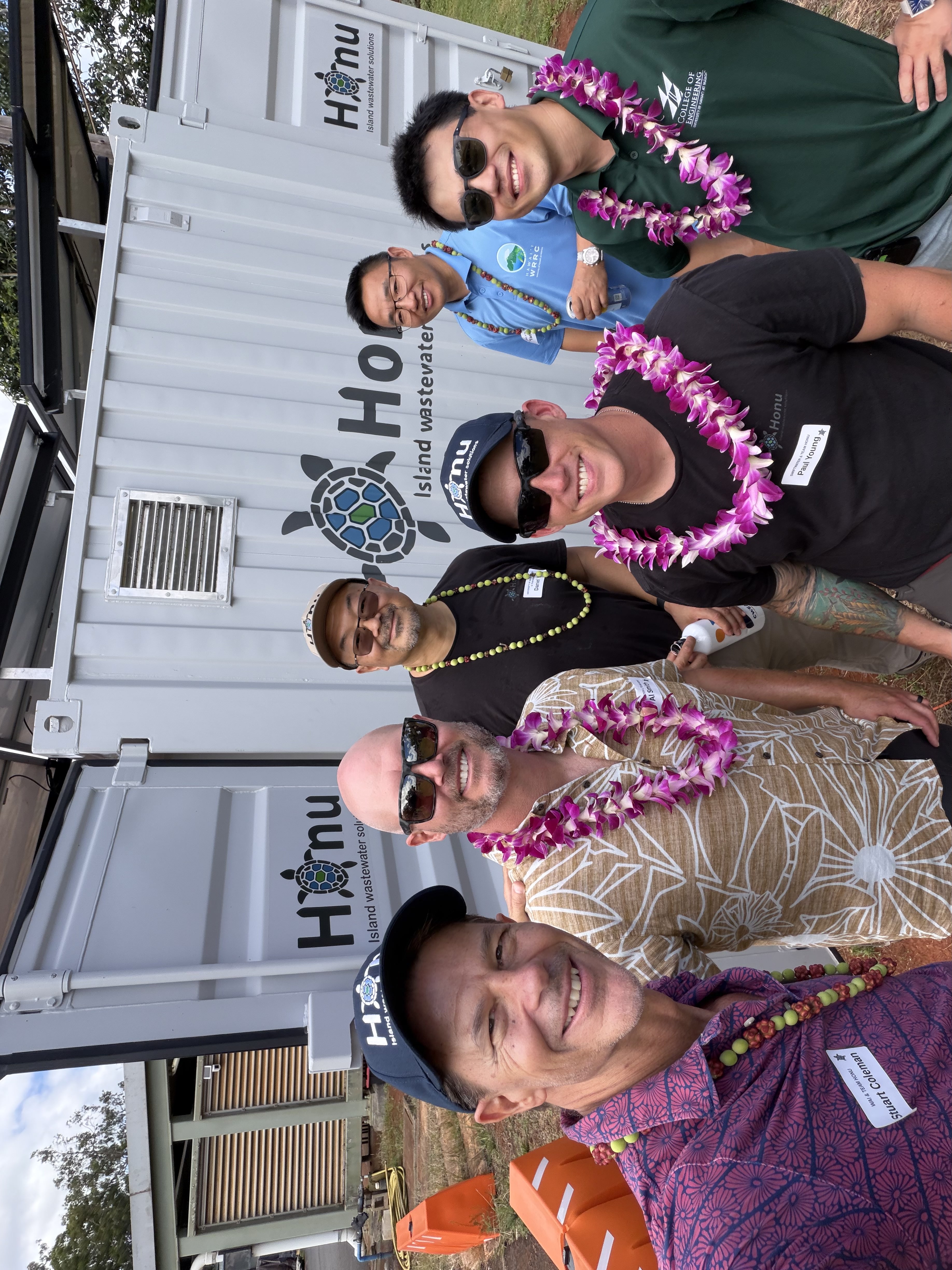
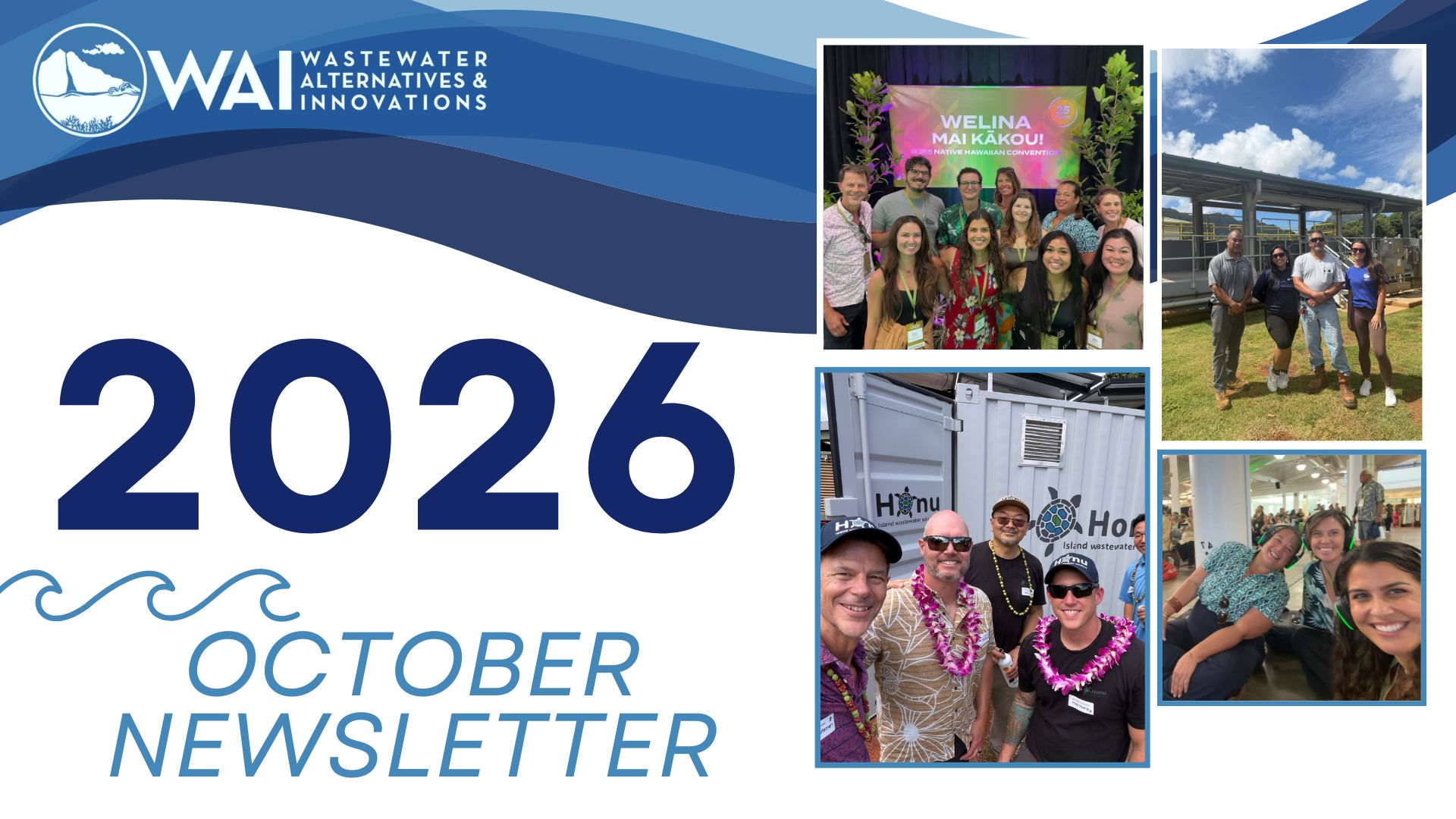
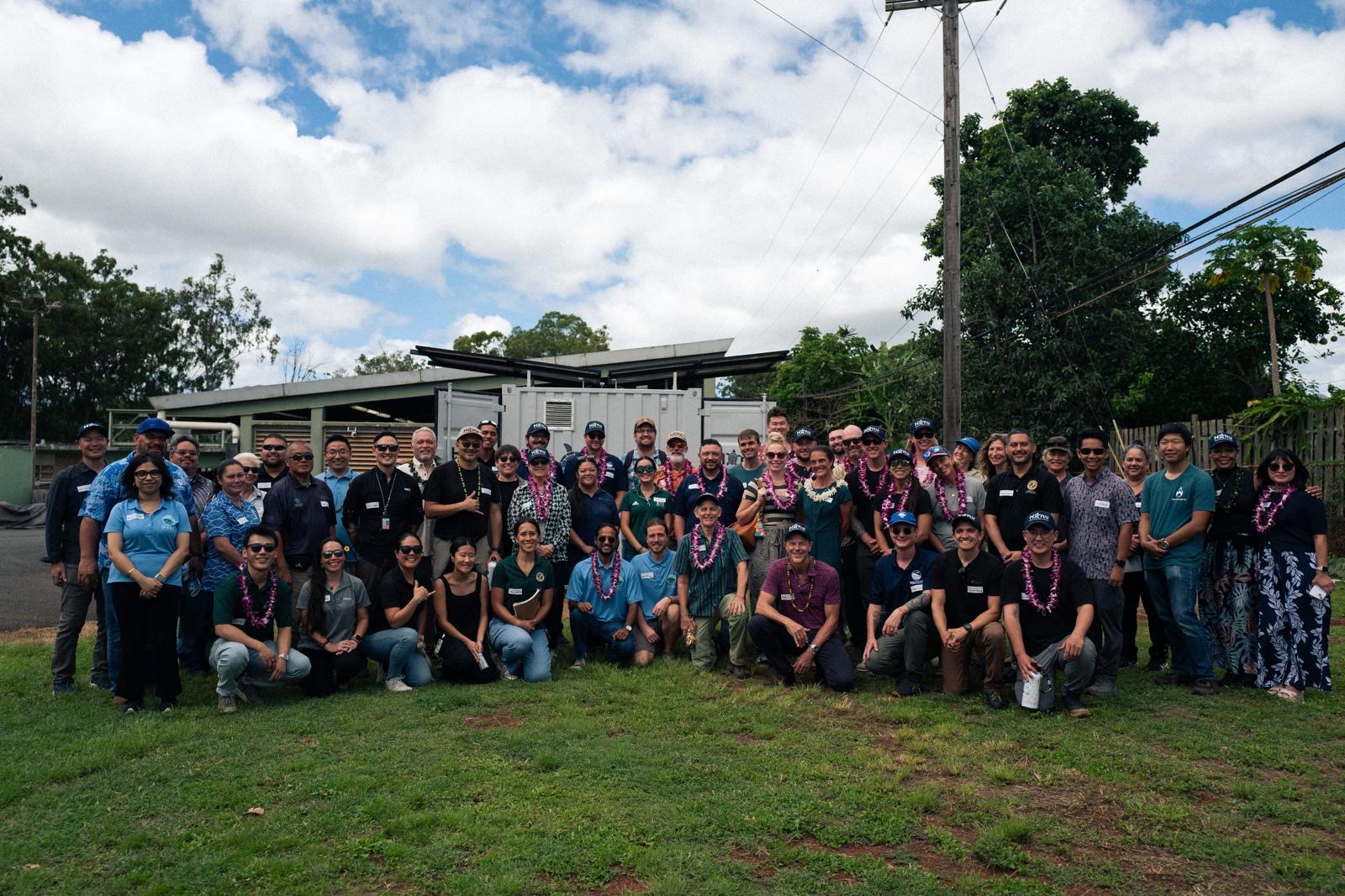
WAI was proud to join our partners for the unveiling of Honu Hub at the Wahiawa Wastewater Treatment Plant, we had more than 40 people attend to learn about a new approach to decentralized wastewater infrastructure.

The Honu project brings experts together with the University of South Florida, University of Hawaiʻi at Mānoa, Swiftwater Solutions, with support from the National Science Foundation’s Future Water Systems program. 

The Honu Hub is an adaptive, decentralized system designed for small residential clusters and communities where conventional septic or centralized infrastructure can be challenging. This system combines advanced membrane filtration, water recycling, nitrogen removal, automation, remote monitoring, and a fully energy-independent system powered by solar or other renewable energy.

Workforce Development Heroes Finalist

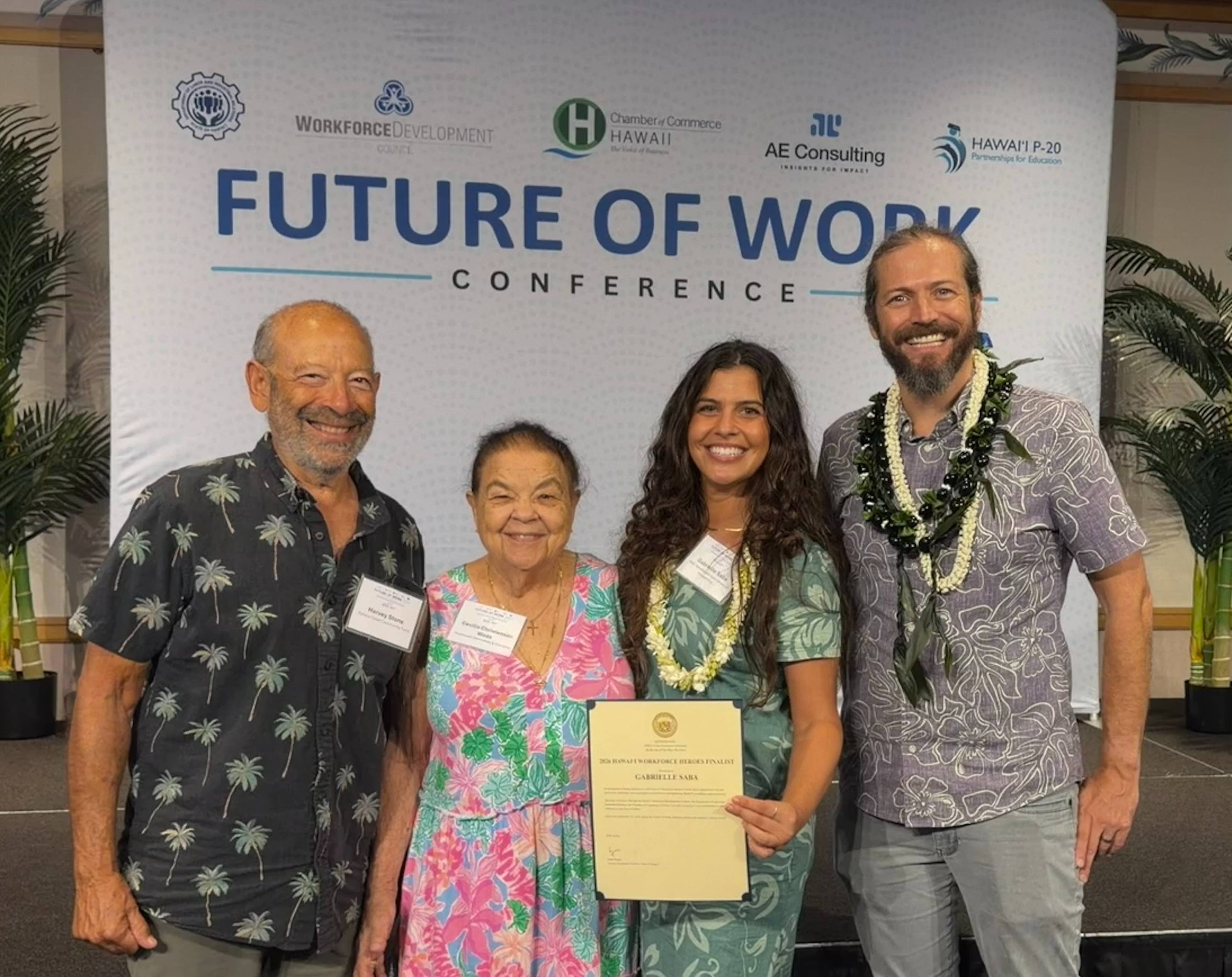
WAI is excited to celebrate our Program Director Gabby Saba who has been selected as 2026 Hawaiʻi Workforce Finalist. This recognition reflects the impact Gabby has made through her work and the respect she has earned from colleagues and peers. The State of Hawaiʻi through the Hawaiʻi Workforce Development Council, the Department of Labor and Industrial Relations, the Chamber of Commerce of Hawaiʻi proudly recognizes Gabbyʻs commitment to making a difference in the lives of others. Through her work at WAI, Gabby received this honor in appreciation of her dedication, leadership, and meaningful contributions to strengthening Hawaiʻi’s workforce and community.

Gabby and the other honorees were celebrated at the Future of Work Conference on September 23, 2026, at the Japanese Cultural Center of Hawaiʻi. Congratulations, Gabby! We’re grateful for all that you do!

Water Quality

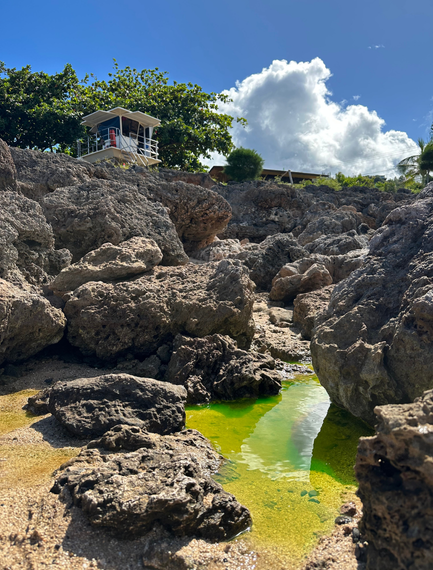
Our Water Quality team continued expanding monitoring and research efforts across the islands this quarter. On Oʻahu, WAI conducted a dye tracer study in Kapoʻo (Sharks Cove) to investigate potential connections between land-based wastewater and coastal waters, so stay tuned for those results. We also expanded our monitoring capacity by installing two Viriddy sensors along the North Shore, providing additional tools for tracking water quality conditions and identifying potential pollution impacts. On Kaua‘i, the WAI team continues to lend their expertise to ongoing coastal monitoring efforts with local non-profits in an effort to build a stronger understanding of wastewater impacts on Hawaiʻi’s coastal waters. Moving forward, these efforts will help identify where additional monitoring and resources are most needed, allowing WAI and our partners to better target future water quality research and restoration efforts.

 
ISLAND NEWS: DYE TRACER INTERVIEW

Work-4-Water

Our Fall 2026 session has just begun, and we are proud to announce that there are 39 new participants preparing for entry-level roles and apprenticeships in Hawaiʻi's water and wastewater infrastructure.

Partner With Us: We are actively seeking On-the-Job Training (OJT) and apprenticeship placements for our graduates. If your organization has open positions or is interested in hosting a trainee, please complete our Partner with Us Form.

Join Our Next Class: Our next 8-week cohort is scheduled for Spring 2027. If you or someone you know wants to kick-start a career in the water and wastewater industry apply now below.

SPRING 2027 APPLICATION

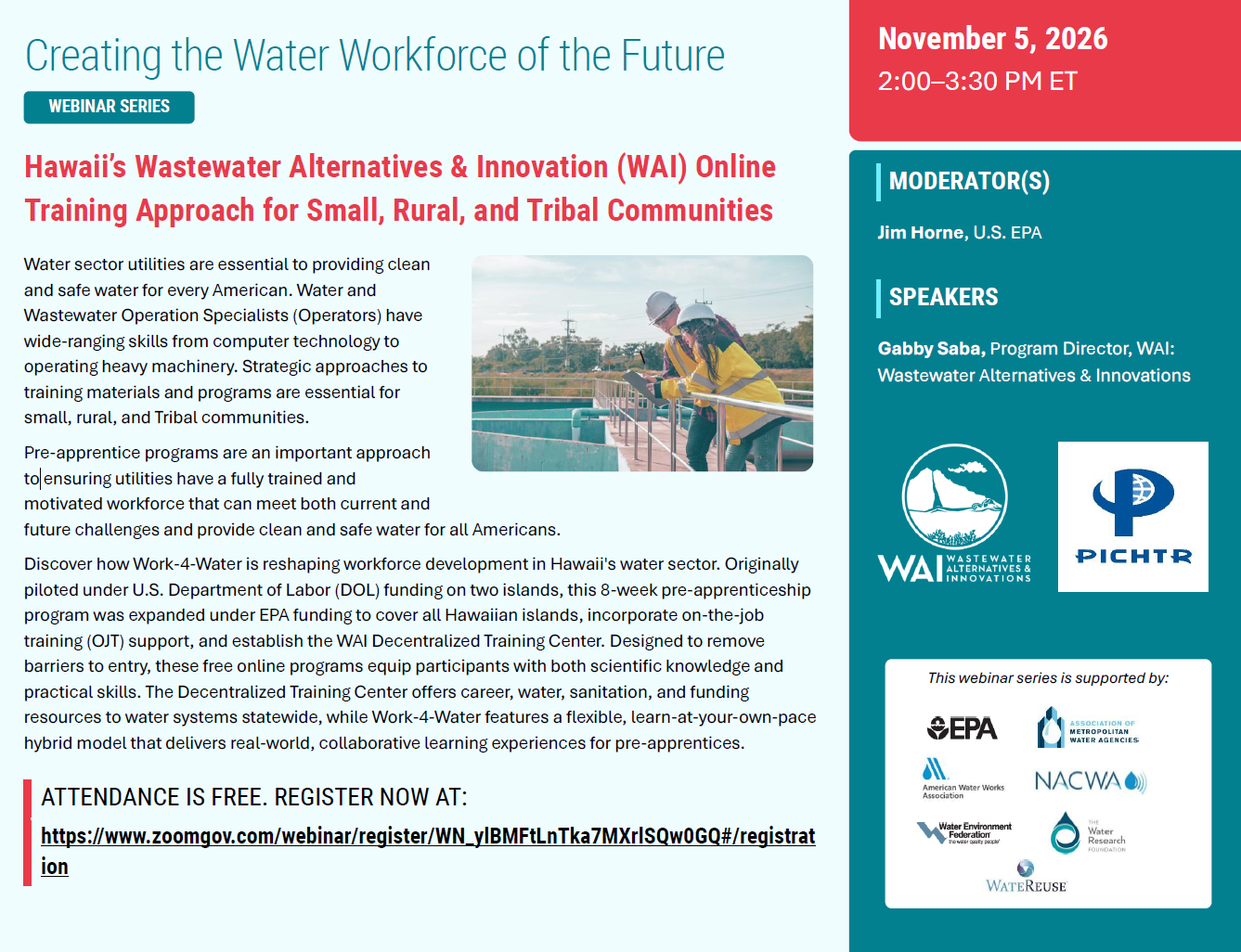
Creating the Water Workforce of the Future Webinar (November 5th)

Join WAI’s Gabby Saba on November 5 for a national webinar highlighting how Work-4-Water is helping build Hawaiʻi’s next generation of water and wastewater professionals. The presentation will showcase WAI’s free, flexible pre-apprenticeship model, on-the-job training opportunities, and Decentralized Training Center approaches designed to expand access to water-sector careers, particularly in small, rural, and Tribal communities.

REGISTER ATTENDANCE

Hawaii's Inaugural Decentralized Wastewater Responsible Management Entity - HiRME

The HiRME Collective continued building the foundation for community-based Responsible Management Entities (RMEs) across Hawaiʻi. Specialized Ecology, Technical, and Financial subcommittees brought together community, government, nonprofit, technical, and funding partners to tackle the ecological, technical, and financial challenges of decentralized wastewater management.

The WAI team advanced RME planning across Maui, Molokaʻi, and Hawaiʻi Island, including exploring Māʻalaea as a potential RME location, supporting Molokaʻi communities and DHHL, and coordinating with South Kohala partners. We also began research into RME governance and Hawaiʻi’s statutory framework while developing resources on decision-making, financing, fees, permitting, water reuse, and treatment technologies.

Through expanded partnerships with HGIA, USDA, counties, foundations, and financial institutions, HiRME is also exploring long-term funding pathways including opportunities through the Cesspool Conversion Revolving Loan Fund to support sustainable wastewater solutions for rural and Hawaiian Home Lands communities.
SUBMIT INTEREST FORM TO JOIN THE RME

Closing Joke

We noticed the bacteria in parts of our local wastewater plants were super healthy! Turns out, those bacterium are heavy into aerobics.